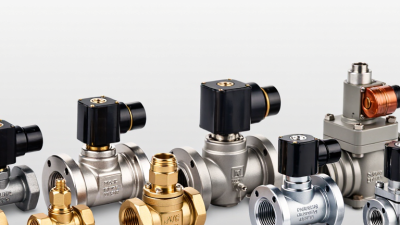
7 Best 1 Inch Solenoid Valves for Global Buyers
Choosing the right 1-inch solenoid valve can affect flow stability, maintenance costs, and equipment safety. Global buyers often compare more than price. They examine pressure ratings, body materials, coil voltage, seal compatibility, certifications, and delivery support. A 1 solenoid valve may suit irrigation, water treatment, compressed air, heating systems, or light industrial equipment. However, one specification rarely fits every installation.
This guide reviews seven leading 1-inch solenoid valves for international purchasing decisions. The selection focuses on practical evidence, including construction quality, operating temperature, response time, power requirements, and replacement-part access. Brass bodies can work well in clean water systems. Stainless steel may offer better resistance in demanding environments. EPDM, NBR, and Viton seals also behave differently. Small details matter.
Real installations are less predictable than product sheets suggest. Voltage fluctuations, dirty water, incorrect pipe sizing, and continuous operation can shorten valve life. We therefore consider both manufacturer data and common field concerns. Still, performance claims should be verified through current datasheets and supplier testing. Some rankings may change as models, certifications, or regional support improve. That is worth remembering.
The following comparison helps buyers narrow their options without treating any single valve as universally superior. Check local requirements carefully. Confirm every connection. A reliable choice should match the medium, pressure range, duty cycle, climate, and service plan. It should also come from a supplier willing to provide clear technical documents and responsive after-sales support.
What Is a 1-Inch Solenoid Valve and How Does It Work?
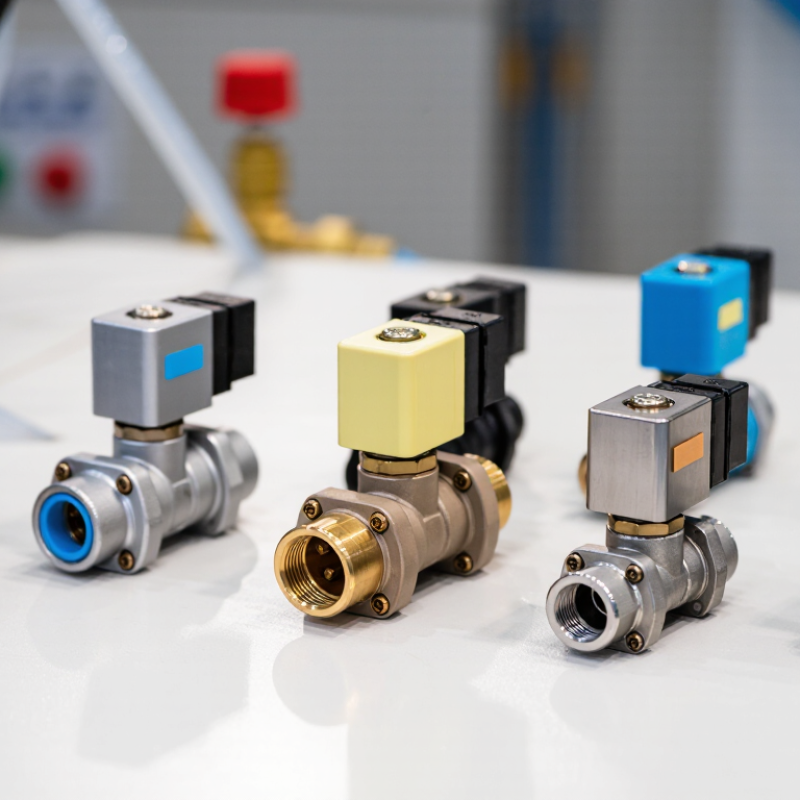
A 1-inch solenoid valve controls liquid, gas, or air through an electrically operated opening. The “1-inch” label usually means nominal pipe size, not the valve’s exact internal diameter. Actual dimensions vary by regional standards and connection type. Always verify the port thread, flange, and flow path.
When voltage reaches the coil, it creates a magnetic field. This field lifts a metal plunger and opens the orifice. When power stops, a spring usually returns the plunger and closes the passage. Some valves operate directly, while pilot-operated designs use line pressure to move the main diaphragm. A minimum pressure requirement can therefore matter. It sounds simple.
Industry research supports the expanding role of automated flow control. Fortune Business Insights estimated the global solenoid valve market at about USD 4.66 billion in 2023. Its report also projects continued growth through 2032, driven by manufacturing, water systems, and process automation. Yet market growth does not remove sizing risks. In field selection, choosing by pipe diameter alone is a mistake I have seen repeatedly. Check the medium, temperature, pressure range, required flow rate, and Cv value. A dirty water line may need filtration before the valve. Coil voltage, duty cycle, enclosure protection, and failure position also deserve attention. The report’s market figures are useful, but actual service conditions remain less predictable.
7 Best 1-Inch Solenoid Valve Configurations for Global Buyers
A 1-inch solenoid valve uses an electromagnetic coil to move a plunger or pilot mechanism, opening or closing fluid flow when electrical power is applied. The chart compares representative flow-coefficient ranges for common 1-inch valve configurations.
Cv means the approximate water flow in US gallons per minute at a pressure drop of 1 psi. Higher Cv generally indicates greater flow capacity. Actual performance depends on the valve design, fluid, pressure, temperature, orifice size, and operating conditions.
Key Specifications for Comparing 1-Inch Solenoid Valves
When comparing 1-inch solenoid valves, begin with the actual media and operating conditions. A one-inch port does not guarantee equal flow. Check the Cv value, pressure range, and required pressure drop. For water, air, oil, or mild chemicals, seal compatibility matters. EPDM, NBR, and PTFE behave differently under heat and chemical exposure.
Choose between direct-acting and pilot-operated designs carefully. Direct-acting valves often handle low pressure better, while pilot-operated models may provide higher flow at stable pressure. Confirm whether the valve is normally closed or normally open. Coil voltage must match the control system, such as 24V DC or 230V AC. Check power consumption, duty cycle, response time, and allowable voltage tolerance.
A perfect comparison rarely exists. A neat data sheet can still hide installation limits. Inspect the minimum pressure, mounting direction, connection standard, and ambient temperature rating. IP protection is important in wet plant rooms. Ask for material declarations, pressure-test records, and batch traceability. These details support dependable purchasing across regions.
I once overlooked spare-coil availability during a specification review. The valve worked well, but maintenance became slower. That mistake still influences my checks. Consider manual override options, replacement seals, warranty terms, and technical support. Small details matter.
7 Best 1 Inch Solenoid Valves for Global Buyers - Key Specifications for Comparing 1-Inch Solenoid Valves
Note: Actual pressure, temperature, flow, voltage, and material compatibility must be confirmed against the final valve datasheet and the specific operating medium before purchase.
How to Match Valve Materials and Features to Your Application
Choosing a 1 inch solenoid valve starts with the fluid, not the price. Water, air, oil, chemicals, and mild steam require different materials.
Brass suits clean water and general air service. It is practical, affordable, and easy to source. Stainless steel handles corrosive fluids and humid industrial rooms better. However, stainless steel does not make every valve chemical-resistant. The seal still matters. EPDM works well with hot water and many cleaning fluids. NBR suits air and mineral oils. FKM tolerates higher temperatures and selected chemicals, but it may perform poorly with some hot-water applications. PTFE offers broad chemical resistance, though its sealing behavior needs careful temperature review.
I check the pressure range at the inlet and outlet. A valve may need a minimum pressure difference to open correctly. Direct-acting designs can work at zero pressure, but often provide lower flow. Normally closed models stop flow during power loss. Normally open models may protect cooling or ventilation systems. Confirm the coil voltage, frequency, connector protection, and local electrical requirements. Outdoor installations need suitable enclosure protection. A manual override can help during testing, but it may create accidental flow if left engaged.
Field selection is rarely perfect. I once focused on body material and overlooked seal compatibility. That mistake caused early leakage. Buyers should request fluid temperature, pressure, flow rate, cycle frequency, and installation orientation before ordering. A clear datasheet is more reliable than a confident sales claim.
Installation, Maintenance, and International Purchasing Considerations
For a 1-inch solenoid valve, installation begins with correct sizing. Confirm media, pressure, temperature, flow direction, and port standard before ordering. A valve rated for water may fail quickly with oil, steam, or aggressive chemicals. Install a filter upstream and keep the coil upright when possible. Check the voltage carefully; 24 VDC and 230 VAC are not interchangeable. I have seen simple voltage errors stop an entire line.
Maintenance should include monthly leak checks, terminal inspections, and filter cleaning. The U.S. Department of Energy reports that compressed-air leaks can waste 20–30% of compressor output. A small valve leak can become a costly operating problem. Replace damaged seals, but do not overtighten threaded connections. Excess force may distort the body. My checklist is useful, but it is not perfect. Dust, unstable pressure, and incorrect wiring still deserve attention.
Tips: Ask suppliers for drawings, test reports, material details, coil data, and spare-seal availability. Compare thread standards, certification documents, packaging, warranty terms, and Incoterms. UNCTAD’s Review of Maritime Transport 2024 highlights continuing volatility in shipping routes and freight conditions. Therefore, request realistic lead times and confirm customs information before payment. Keep one tested spare valve locally. It may seem excessive, but emergency air freight costs more.