How to Choose the Right Solenoid Valve for Your Needs?
Choosing the right solenoid valve can greatly affect your system’s performance. It's essential to understand the function and specifications of these valves. A solenoid valve controls the flow of liquids or gases using electromagnetic coils.
When selecting a solenoid valve, consider the medium involved. Different materials suit various applications. Corrosion resistance is vital for certain environments. You might face unexpected challenges if these factors are overlooked. Additionally, pay attention to the voltage and operating pressure. These elements directly impact efficiency and reliability.
The options available can be overwhelming, so having a clear understanding of your needs is crucial. Take time to reflect on your application. A well-chosen solenoid valve enhances system reliability. Mistakes in this choice can lead to costly repairs or operational failures.
Understanding Solenoid Valves: Types and Their Applications
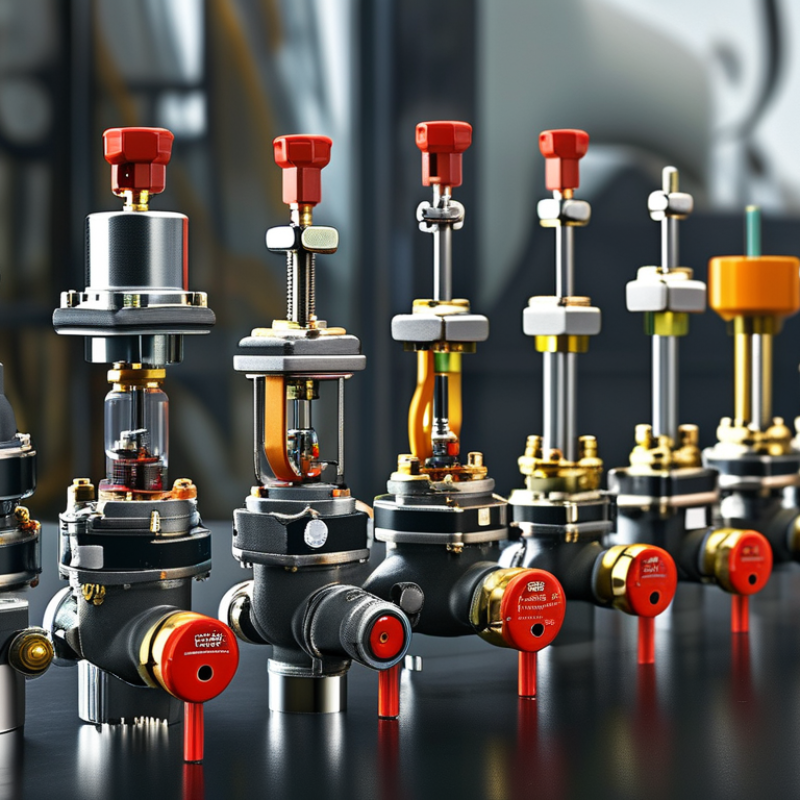
Understanding solenoid valves requires an exploration of their different types and applications. Solenoid valves control the flow of liquids and gases using electrical energy. They come in various forms, including direct acting, pilot-operated, and proportional valves. Each type serves distinct functions. For instance, direct acting valves are ideal for low pressure, while pilot-operated valves suit high-pressure applications.
When selecting a solenoid valve, consider your system's specific requirements. Pressure, temperature, and medium type all play critical roles. A mismatch can lead to performance issues or even failures. Pay attention to the valve’s materials to ensure compatibility with your fluid.
Tips: Always check the flow rate specifications to avoid overloading your system. Consider the operating environment—temperature extremes can affect performance. Lastly, do not overlook installation requirements. Proper installation ensures longevity and efficiency. Reflection on these factors can save you time and money in the long run.
How to Choose the Right Solenoid Valve for Your Needs?
| Valve Type |
Actuation Type |
Applications |
Operating Pressure (psi) |
Media Type |
| Direct Acting |
Electrical |
Water, Air, Gas |
0 - 150 |
Clean Fluids |
| Pilot Operated |
Electrical |
Hydraulic Systems |
0 - 3000 |
Oil, Water |
| Two-Way Valve |
Electrical |
Pneumatic Applications |
0 - 150 |
Air |
| Three-Way Valve |
Electrical |
Mixing/Diverting Media |
0 - 200 |
Water, Gas |
| Low Power Valve |
Electrical |
Residential Applications |
0 - 100 |
Clean Water |
Key Technical Specifications for Selecting the Right Solenoid Valve
Choosing the right solenoid valve requires understanding key technical specifications. These specifications greatly impact performance and reliability. Consider the valve's operating pressure range, as it determines how effectively it can handle different applications. Too low or too high a pressure rating can lead to failure and inefficiency.
Another critical aspect is the voltage requirement. Solenoid valves typically operate at various voltages, such as 12V, 24V, or 110V. Ensure compatibility with your system to avoid electrical issues. Additionally, check the valve's flow rate and size. Mismatched flow can cause bottlenecks or excessive wear over time.
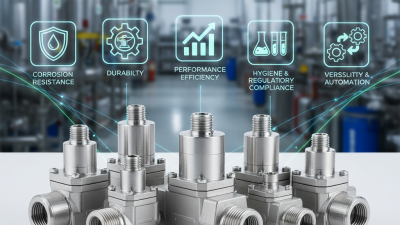
Materials also matter. Select valves made from corrosion-resistant materials when working with aggressive fluids. If unsure about your needs, consult an expert. Overlooking these details can lead to costly mistakes. Understanding these specifications helps ensure that the selected valve meets operational demands while maintaining reliability.
Assessing Flow Rates and Pressure Requirements for Your Application
Choosing the right solenoid valve begins with understanding your flow rates and pressure requirements. Accurate measurements are crucial for optimal performance. Research indicates that a valve's flow capacity greatly influences operational efficiency. For example, if a valve cannot handle your required flow rate, it may lead to decreased system performance or premature failure.
Pressure ratings also play an essential role. Many applications require valves to operate under specific pressure thresholds. Industry data shows that using a valve with insufficient pressure capacity can result in leakage or malfunction. It's key to know your maximum and minimum pressure conditions. This understanding helps avoid unsuitable selections that could compromise system integrity.
While it’s easy to overlook these aspects, neglecting them may lead to costly consequences. Assessing your specific needs might reveal unexpected challenges. For instance, the wrong pressure rating could demand redesigning your fluid system later on. It's wise to question your choices carefully and seek expert insights.
Material Selection and Environmental Considerations in Valve Sizing
When selecting a solenoid valve, material choice and environmental factors are crucial. Valves made from materials like brass, stainless steel, or plastic serve different purposes. Each material has its unique properties. For instance, brass is often chosen for its durability and resistance to corrosion. However, it may not be ideal for highly acidic environments.
Environmental conditions also play a significant role in valve sizing. Consider the temperature range and pressure in your application. Extreme temperatures can affect valve performance. Corrosive environments require special coatings or materials to ensure longevity. Ignoring these factors can lead to failures, resulting in costly downtime.
It’s essential to review the specifications of your application thoroughly. A mismatch between material and environment can result in leaks. Also, consider the installation space available. Space constraints might limit your options. Each situation is unique, and a one-size-fits-all approach is rarely effective. Always remember, thoughtful selection can enhance reliability and efficiency.
Common Mistakes to Avoid When Choosing a Solenoid Valve
Choosing the right solenoid valve requires attention to detail. Many individuals overlook critical specifications, leading to poor functionality and increased costs. One common mistake is ignoring the voltage and power rating. If the valve doesn’t match the system's electrical requirements, it could lead to failure. A study by the International Society of Automation highlights that up to 20% of system malfunctions result from incorrect valve selection.
Another frequent error involves neglecting fluid compatibility. Using a valve that does not match the medium could cause leaks or corrosion. According to industry reports, over 30% of solenoid valve failures are due to chemical incompatibility. Always check the materials and seals to ensure they suit your application.
Tips: Always consult manufacturer data sheets for specific requirements. Engage with suppliers about application details. Taking time to gather this information can prevent major issues later.
Considering the environment is essential too. Extreme temperatures can affect valve performance. Valves may not operate as expected if they're not rated for specific conditions. Keeping these factors in mind helps improve reliability. Avoiding haste in selection can save time and reduce long-term costs.