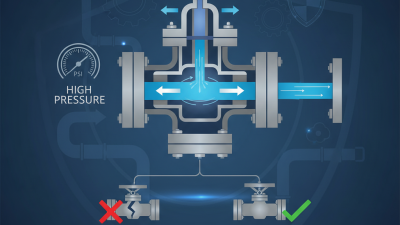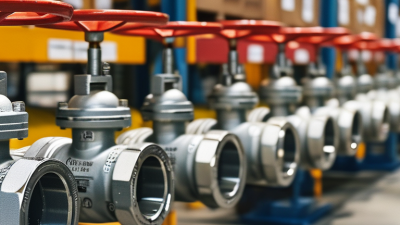
Why Do You Need a High Pressure Valve?

A high pressure valve helps control or isolate liquids and gases moving through systems under substantial pressure. You may find one in hydraulic equipment, process piping, test rigs, or industrial cleaning systems. The valve’s job sounds simple. Its consequences are not. A poor match can cause leakage, unstable flow, damaged components, or avoidable downtime. That matters.

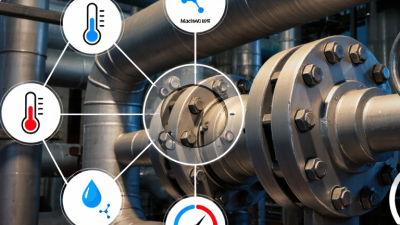
Choosing a high pressure valve involves more than checking its maximum pressure rating. The working fluid, operating temperature, flow rate, connection type, and expected cycling all affect performance. For example, a valve exposed to hot water may need different materials and seals from one handling compressed air. Small details count. A label alone cannot confirm suitability; specifications should be checked against actual operating conditions and reliable manufacturer documentation.

It is also important to distinguish a shutoff or control valve from a pressure-relief device. They may serve related purposes, but they are not interchangeable. Correct selection, installation, and inspection help reduce risk, yet they cannot make an unsuitable system safe. In practice, wear can be easy to miss, especially around seals and threaded connections. That deserves a closer look. This guide explains why high pressure valves are used, what to consider when selecting one, and where careful maintenance fits. Some applications are less straightforward than a product chart suggests, so qualified technical review may still be needed.
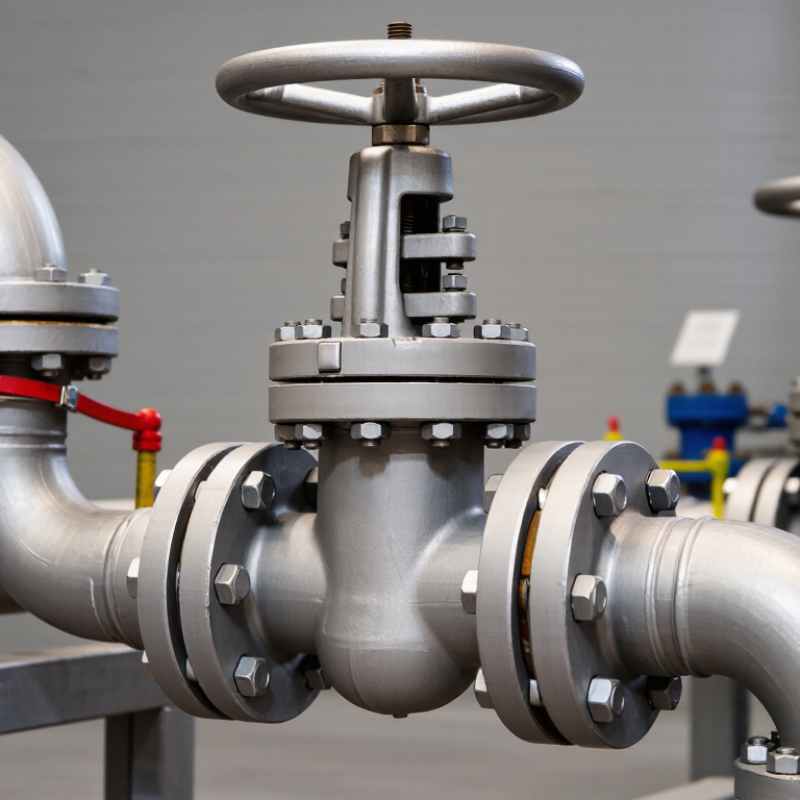
Why Do You Need a High Pressure Valve?

What Is a High-Pressure Valve?

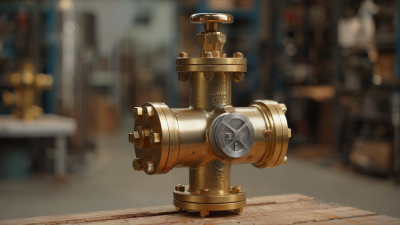
A high-pressure valve controls, stops, or directs fluid in a system operating at elevated pressure. “High pressure” depends on the equipment and service; it is not one universal rating. The valve’s stated pressure limit must suit the system’s maximum working pressure, with temperature changes and pressure surges considered. Looks can mislead. A compact metal body alone does not confirm suitability. Check the product data and technical documentation.

The body, stem, seat, seals, and connections must handle the fluid, pressure, and operating cycles. Some valves provide on/off isolation; others meter flow or regulate pressure. These functions are not interchangeable. In a hydraulic line, the right valve can help prevent leaks and support predictable movement. An incompatible seal, however, may deteriorate. Small details matter. Selection also depends on fluid compatibility, temperature, connection type, flow rate, and operating frequency. Installation and inspection count too: vibration, misalignment, or damaged threads can compromise a correctly rated valve. It is easy to focus only on pressure. That leaves important questions unanswered.

Why Do High-Pressure Systems Need Specialized Valves?

High-pressure systems place unusual loads on every valve body, seal, stem, and connection. A standard valve may work at low pressure yet deform, leak, or become difficult to control under greater loads. Specialized valves are designed around those forces, not merely given a heavier label. The difference matters.

Their bodies use suitable materials and wall thickness, while seats and packing must resist pressure, temperature, and the process fluid. A valve handling clean water may need different seals from one exposed to hot oil or corrosive chemicals. Connections matter too: threads, flanges, and tubing ends must match the system’s pressure rating and installation method. A small mismatch can become a leak path.

Pressure is not always steady. Pump starts, rapid closure, and blocked flow can create short spikes beyond normal operating readings. Engineers consider maximum pressure, temperature range, flow, cycling, and expected surges when selecting a valve. They also check inspection records, maintenance access, and the installed assembly under approved procedures. The rating alone is not enough. Field conditions may differ from the drawing, so they deserve careful review.

How Do High-Pressure Valves Control Flow and Prevent Leaks?

A high-pressure valve controls fluid moving through a line where pressure can strain ordinary components. It changes flow by opening, closing, or holding a carefully chosen position. In a shutoff valve, the disc or ball presses against a seat to stop flow. In a control valve, the opening adjusts to help maintain a target flow or pressure. Small movements matter.

Leak prevention depends on more than a tight handle. Precisely finished seat surfaces reduce paths for fluid to escape, while stem packing seals around the moving stem. Strong body joints and suitable materials help the valve withstand pressure, temperature, and the fluid itself. Selection needs care. A valve rated for pressure may still be unsuitable for hot, corrosive, or abrasive service. Even a tiny scratch on a sealing surface can cause trouble.

In practice, correct installation and steady operation matter too. Opening a valve gradually can reduce sudden pressure changes and stress on connected equipment. Technicians can check for seepage near the stem and joints, and watch for unexpected pressure drops. A well-chosen valve can still develop a leak as seals wear. That is easy to overlook. Regular inspection helps catch it before a small drip becomes a process problem.

Where Are High-Pressure Valves Commonly Used?

High-pressure valves are used wherever fluid must be controlled safely under substantial force. In hydraulic presses, they regulate oil flowing to cylinders that lift, clamp, or shape heavy materials. A small leak can reduce force and leave equipment moving unevenly. Pressure is only part of the picture.

You will also find them in steam systems, industrial boilers, and power-generation equipment. There, valves control hot water or steam moving through pipes, often near pumps, heat exchangers, and turbines. In water-jet cutting systems, they help direct pressurized water through narrow nozzles. Those connections need careful inspection; vibration can loosen fittings over time.

Chemical plants and refrigeration systems use high-pressure valves to manage process fluids and gases. The valve material, seal, temperature range, and pressure rating must suit the actual service, not just the drawing. Real installations are rarely perfect. A correctly selected valve may still perform poorly if pipe supports, alignment, or maintenance are overlooked. That detail is easy to miss.

Why Do You Need a High-Pressure Valve? Where Are High-Pressure Valves Commonly Used?

High-pressure valves help control, isolate, and safely manage fluid or gas flow in systems operating under elevated pressure. The chart shows representative service-pressure ranges for common applications; actual requirements vary by equipment, process, and applicable standards. Valve selection should account for the system’s maximum pressure, temperature, and fluid.

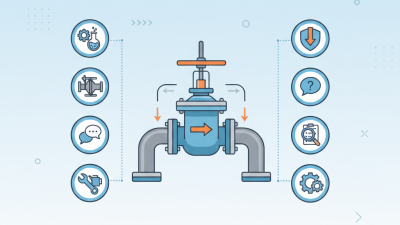
What Factors Matter When Selecting and Maintaining a High-Pressure Valve?

A high-pressure valve must match the real operating conditions, not just the system’s nominal pressure. Check the maximum working pressure, including brief surges, and confirm the rating applies at the actual temperature. Fluid compatibility matters too: an unsuitable body or seal material can swell, corrode, or leak. Small details count. Consider connection type, flow capacity, and whether manual or automated operation fits the installation.

Tips: Record pressure and temperature ranges before choosing. Check seals for wear, and look for leaks or unusual vibration during inspections. Follow the valve maker’s service instructions, and isolate and depressurize the line before maintenance.

Maintenance needs to reflect how the valve is used. Frequent cycling, abrasive fluids, and outdoor exposure can shorten service intervals. Keep inspection records; they help reveal gradual changes that a quick visual check may miss. A valve that passes a bench test may still perform differently in a pulsating system, so operating conditions deserve another look. Avoid overtightening connections or forcing a stiff handle, since either can damage parts. When the cause of a leak is unclear, have a qualified technician assess the valve rather than guessing at a repair.

Why Do You Need a High Pressure Valve? - What Factors Matter When Selecting and Maintaining a High-Pressure Valve?

Factor Why It Matters What to Check Practical Guidance
System pressure and pressure class The valve must safely contain the maximum operating pressure and any foreseeable pressure surges. Maximum and minimum operating pressure, design pressure, temperature, and applicable pressure-rating standard. Select a valve whose pressure-temperature rating covers the system’s design conditions. Pressure-class ratings can vary with material and temperature; do not treat a class number as a universal pressure value.
Fluid and material compatibility Incompatible body, trim, or seal materials can corrode, erode, swell, or fail, potentially causing leakage. Fluid composition, concentration, contaminants, phase, and the materials used for the body, stem, trim, and seals. Verify compatibility for every wetted component. Consider corrosion data and the fluid supplier’s safety information, especially for chemicals, sour service, or fluids containing solids.
Operating temperature Temperature affects material strength, pressure rating, seal performance, and thermal expansion. Normal and upset temperatures, temperature cycling, and any external heat or cold exposure. Check the manufacturer’s pressure-temperature limits for the selected materials and seals. Confirm that both the valve and connected components are suitable for the full temperature range.
Valve type and function Different designs serve different duties; an isolation valve may not be suitable for throttling or frequent cycling. Required function: isolation, flow control, non-return protection, or pressure regulation; also consider cycle frequency. Choose a design intended for the duty. Use a control valve for modulating flow and an appropriate check valve where reverse-flow prevention is required.
Flow capacity and pressure drop An incorrectly sized valve can restrict flow, reduce system performance, or make control unstable. Required flow rate, fluid properties, inlet and outlet pressures, and allowable pressure drop. Size the valve using suitable flow calculations and the valve’s published capacity data. Avoid selecting by pipe size alone.
End connections and installation Connection type and correct installation help maintain pressure integrity and reduce stress on the valve. Connection standard, size, material, pressure rating, alignment, support, and access for operation or service. Match the valve ends to the piping specification. Follow the applicable installation instructions and avoid using the valve to correct pipe misalignment.
Sealing and leakage requirements Leakage can create safety, environmental, product-quality, or efficiency concerns. Allowable seat and external leakage, service hazards, seal material, and required inspection or test criteria. Specify leakage requirements and testing criteria before purchase. Inspect stem seals, body joints, and seat condition according to the service risk and maintenance plan.
Inspection and maintenance Wear, corrosion, deposits, vibration, or damaged seals can affect safe operation over time. Leakage, unusual noise or vibration, operating effort, corrosion, pressure changes, and service history. Use a documented inspection schedule based on service conditions and risk. Depressurize and isolate the system before maintenance, and follow applicable site procedures and manufacturer instructions.
Codes, documentation, and traceability Applicable requirements depend on the system, service, jurisdiction, and intended use. Relevant piping or pressure-equipment codes, material certificates, pressure-temperature ratings, and test documentation. Confirm applicable requirements with the responsible engineer or authority. Keep valve identification, material records, inspection findings, and maintenance history available.