Top Hydrogen Valves Suppliers for Global Buyers
Hydrogen is moving from pilot projects toward industrial infrastructure, increasing demand for dependable hydrogen valves across production, storage, transport, and refueling. The International Energy Agency’s Global Hydrogen Review 2024 reports that announced low-emissions hydrogen projects could approach 50 million tonnes of annual production by 2030. However, project delays, limited infrastructure, and uncertain demand remain serious challenges. Buyers therefore need more than a supplier list.
A reliable hydrogen valves supplier should demonstrate experience with high-pressure gas, cryogenic service, and frequent pressure cycling. Typical refueling systems may operate at 350 or 700 bar. Small sealing failures can create major safety and maintenance concerns. ISO 19880-1 and related international standards provide useful guidance for hydrogen fueling stations, while ASME and API practices support pressure equipment design and verification. Product documentation should include material compatibility, helium leak-test results, pressure ratings, temperature limits, and evidence from comparable installations. Look closely at the details.
This guide evaluates leading suppliers through engineering capability, manufacturing quality, certification practices, delivery coverage, and after-sales support. It also considers whether vendors can provide valves for tube trailers, electrolyzers, compression systems, storage vessels, and dispensing equipment. The U.S. Department of Energy’s Hydrogen and Fuel Cell Technologies Office emphasizes safety, durability, and cost reduction throughout the hydrogen value chain. Those priorities matter globally. No supplier is perfect, and a polished catalogue is not proof of field performance. Buyers should verify test records, local service capacity, spare-parts availability, and actual operating references before signing a contract. The strongest choice is rarely the cheapest quotation.
Hydrogen Valve Basics and Their Role in Hydrogen Systems
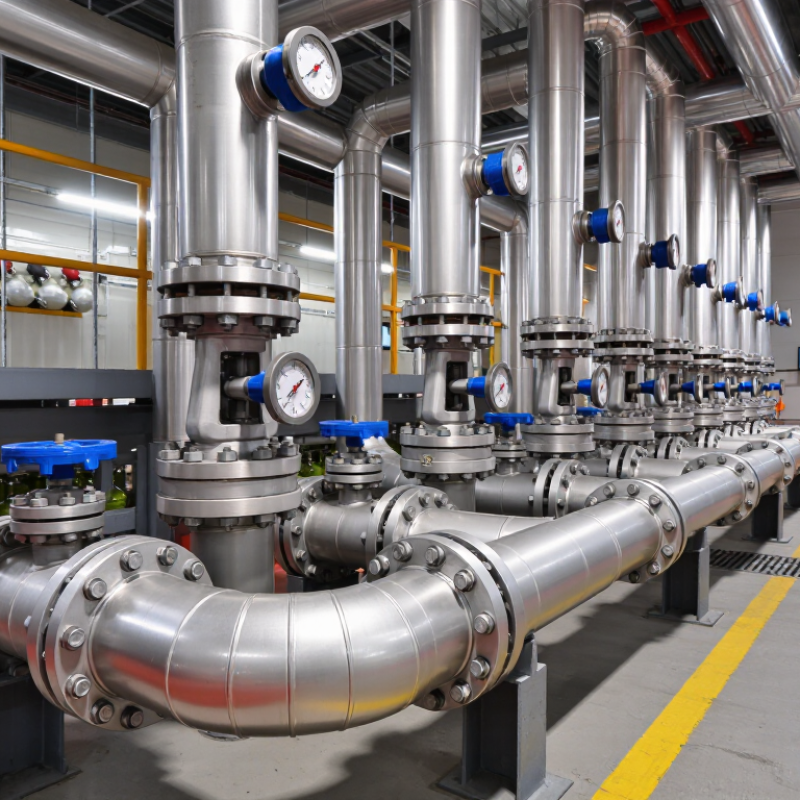
Hydrogen valves control flow, isolate equipment, and protect systems during maintenance or abnormal conditions. Unlike ordinary gas valves, they must manage hydrogen’s small molecules, low ignition energy, and potential material effects. A suitable valve therefore needs compatible metals, reliable seals, and a design that limits leakage over repeated cycles.
In practical hydrogen systems, valve selection begins with pressure, temperature, flow rate, and hydrogen purity. Ball valves often provide quick isolation, while needle valves support finer flow adjustment. Check valves help prevent reverse flow in storage and delivery lines. The body, stem, packing, and connections all matter. One weak seal can compromise an otherwise careful installation.
Testing should include pressure checks, leak detection, and functional cycling under realistic conditions. Supplier documentation should clearly state material compatibility, rated service conditions, inspection methods, and applicable industry standards. Field experience shows that installation quality matters as much as the valve itself. Misaligned piping can load the body and shorten seal life.
Small details matter.
A valve may pass a factory test yet perform poorly after careless assembly or contamination. This is where buyers should remain cautious. “Hydrogen-ready” is not a complete technical specification. Engineers should review evidence, not rely on labels. No design is perfect, and maintenance access is sometimes overlooked. Selecting a qualified supplier means examining test records, traceability, technical support, and long-term spare-part availability.
Hydrogen Valve Basics and Their Role in Hydrogen Systems
Hydrogen valves regulate, isolate, and safely control flow across production, transport, storage, and dispensing systems. The chart shows representative pressure points commonly encountered in hydrogen infrastructure: approximately 30 bar at an electrolyzer outlet, 100 bar in high-pressure pipeline service, 350 bar for heavy-duty vehicle fueling, and 700 bar for passenger-vehicle fueling. Valve selection must also consider hydrogen embrittlement, leakage prevention, temperature, cycling frequency, and applicable safety standards.
Top Hydrogen Valve Suppliers for Global Buyers
Top Hydrogen Valve Suppliers for Global Buyers
Global hydrogen demand reached about 97 million tonnes in 2023, according to the IEA’s Global Hydrogen Review 2024. As production and refueling networks expand, valve reliability becomes a practical purchasing issue. Hydrogen molecules are small and can escape through weak seals. High-pressure service also increases fatigue risks during repeated filling cycles.
Experienced buyers should examine material compatibility, pressure ratings, leakage performance, and traceability. Suppliers serving global markets should provide test records, inspection documents, and clear maintenance guidance. Valves designed for hydrogen service may use stainless steel bodies, metal-to-metal sealing, or specially qualified polymer components. Compliance with standards such as ISO 19880-3 and ASME B31.12 can support safer system design, but certification alone does not prove field performance. Installation quality still matters.
Tips: Request helium leak-test results, pressure-cycle data, and hydrogen compatibility evidence. Confirm the valve’s temperature range before ordering. Ask whether spare seals remain available after five years. Small details matter. One weakness remains: public supplier comparisons rarely use identical test conditions. Buyers should therefore compare complete technical files, not marketing claims. A sample valve inspection and a witnessed factory acceptance test can reveal machining marks, poor labeling, or inconsistent documentation before shipment.
Supplier Comparison by Standards, Materials, and Applications
Top Hydrogen Valves Suppliers for Global Buyers
Supplier Comparison by Standards, Materials, and Applications
Choosing a hydrogen valve supplier requires more than checking pressure ratings. Buyers should review design standards, test records, and manufacturing experience. Relevant references may include ASME B16.34, ISO 15848, ISO 19880-3, and regional pressure equipment rules. However, certification scope differs between suppliers. Ask whether testing covers the complete valve assembly, not only individual components.
Material selection affects safety and service life. Forged 316L stainless steel is common for high-pressure hydrogen systems. Some demanding environments may require nickel alloys. These materials can reduce hydrogen-related damage when properly processed and tested. Seals also deserve close attention. PEEK, PTFE, and other engineered polymers behave differently under pressure cycling and temperature changes. A useful supplier should provide material certificates, heat numbers, and documented compatibility data.
Applications create different purchasing priorities. Refueling stations need rapid cycling, low leakage, and simple maintenance access. Electrolyzer systems may require clean service and careful moisture control. Storage equipment often emphasizes pressure retention and long inspection intervals. Look for helium leak testing, pressure cycling results, and traceable inspection reports. Site support matters too. Response times, spare-part availability, and technical drawings can affect downtime.
No comparison is perfect. Some published data remains incomplete. Buyers should challenge unclear claims and request application-specific evidence.
Global Purchasing and Quality Verification Considerations
Global Hydrogen Review 2024 from the International Energy Agency reports that hydrogen demand approached 100 million tonnes in 2023. This expanding market increases pressure on buyers selecting reliable valve suppliers. Hydrogen valves must match pressure, temperature, purity, cycling, and installation conditions. A suitable supplier should provide traceable materials, documented testing, and clear manufacturing controls. Experience matters, but confident sales language is not technical evidence.
Quality verification should begin with the valve design, not the quotation. Request material certificates, pressure-test records, leak-test methods, and calibration details. Check compatibility with hydrogen service, including hydrogen embrittlement risks and seal performance. Relevant specifications may include ISO 19880-3 and applicable ASME requirements. The IEA also notes that much future hydrogen capacity remains under development, so supplier claims require careful verification. A certificate alone is not proof. Document numbers, heat numbers, and test dates must align. In practice, purchasing teams sometimes overlook this simple cross-check.
Tips:
Build a supplier questionnaire with measurable acceptance criteria. Require sample inspection before volume orders. Confirm whether tests represent actual hydrogen conditions, rather than ordinary industrial gas. Review third-party inspection options for critical equipment. Keep a photographic record of markings and packaging. Small details matter. Also examine after-sales response times and spare-part availability. A low unit price can become expensive when documentation is incomplete, delivery slips, or field failures expose weak quality controls.