Selecting the right vacuum jacketed piping manufacturer requires more than comparing product catalogs or website claims. This article examines ten established manufacturers worldwide, focusing on engineering capability, production quality, documented performance, and practical industry experience. These companies serve demanding sectors such as cryogenic processing, healthcare, food production, aerospace, semiconductor manufacturing, and industrial gas distribution.
A reliable system may depend on details that are easy to overlook. Consider multilayer insulation, vacuum stability, weld quality, thermal contraction, pressure ratings, and site-specific layout support. A well-designed pipe can reduce heat transfer across long runs, protect sensitive fluids, and support stable operating conditions. However, performance depends on installation accuracy, maintenance practices, and correctly matched components. No manufacturer is ideal for every project.
Field experience matters.
The manufacturers discussed here are assessed through their technical portfolios, certifications, project history, geographic reach, and ability to provide engineering support. We also consider customization, lead times, testing procedures, after-sales service, and compatibility with demanding operating environments. Public information can change, and supplier strengths may vary by region. Therefore, this ranking should be treated as a practical reference, not an absolute verdict.
Some manufacturers excel in standardized systems. Others perform better on complex layouts, unusual dimensions, or specialized cryogenic applications. Buyers should verify current certifications, material specifications, warranty terms, and local service availability before making a decision. A polished brochure is not enough. Site conditions, operating temperatures, and lifecycle costs deserve closer attention. This guide aims to make that evaluation clearer, more balanced, and more useful for engineers, procurement teams, and facility owners.
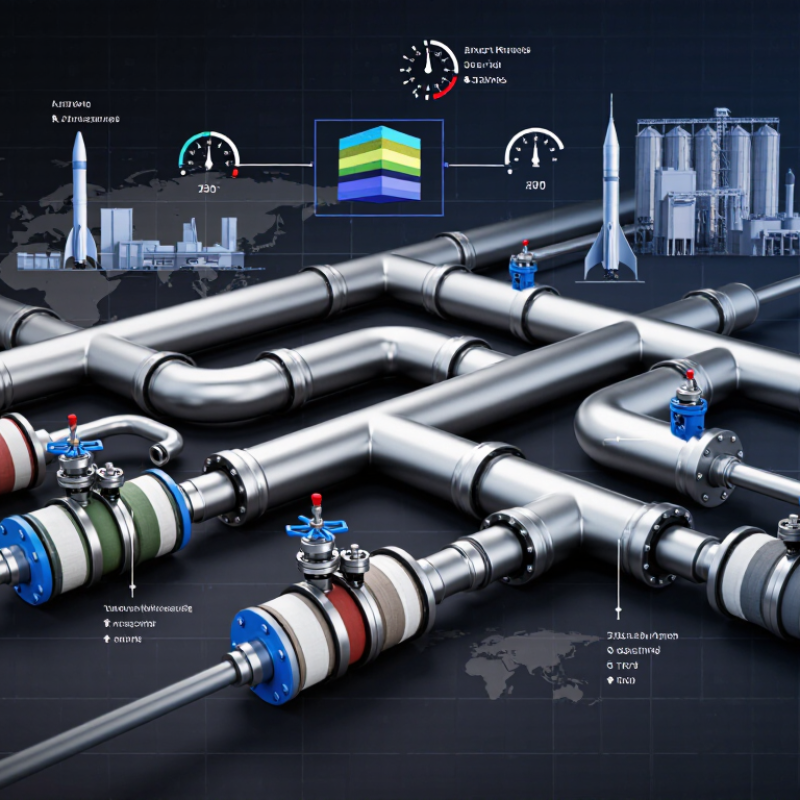
Vacuum-jacketed piping transfers cryogenic fluids through a process pipe surrounded by an evacuated outer jacket. The vacuum removes most gas conduction and sharply reduces heat entering the line. Less heat means lower evaporation, steadier pressure, and reduced product loss.
Its purpose becomes clear near storage tanks, filling stations, and laboratory equipment. A nitrogen line may appear dry and bright, while a poorly insulated section develops frost around a valve. Proper vacuum-jacketed design helps prevent this cold spot. It also supports cleaner transfers of nitrogen, oxygen, hydrogen, and liquefied natural gas. The 2024 IGU World LNG Report recorded 404.3 million tonnes of LNG traded in 2023. This scale shows why small heat leaks can become costly across large systems. The figure does not equal piping demand, but it reflects the industry’s growing thermal-control challenge.
The International Energy Agency’s Global Hydrogen Review 2024 reports that announced projects could raise low-emissions hydrogen production to about 49 million tonnes annually by 2030. More cryogenic handling may follow. Engineers must still account for thermal contraction, pipe supports, valve boxes, and vacuum monitoring. A perfect vacuum is unrealistic. Vacuum decay testing and thermal-cycle testing therefore matter. Applicable pressure-piping standards should guide material selection, weld inspection, and relief protection. In practice, maintenance teams often focus on the inner pipe and overlook jacket leaks. That is a costly weakness. A reliable system needs documented inspection records, accessible isolation points, and clear frost inspection procedures.
How Vacuum Jacketed Piping Systems Work
Vacuum jacketed piping uses two concentric pipes. The inner pipe carries cryogenic fluid, while the outer pipe forms a sealed jacket. A vacuum removes most air, reducing convection and gas conduction. Reflective multilayer insulation also limits radiant heat transfer. The result is lower heat leakage than conventional insulated piping.
The effect is practical. Liquid nitrogen remains near −196°C, while LNG is stored near −162°C. Even small heat gains can increase vapor generation and pressure. The 2024 GIIGNL Annual Report recorded about 404 million tonnes of LNG traded globally in 2023, showing the scale of systems requiring reliable thermal control. Field commissioning usually includes vacuum testing, cooldown observation, and checks for abnormal frosting. Frost is a warning sign.
Thermal movement still matters. Stainless steel contracts during cooldown, so guides, anchors, and flexible sections must accommodate movement. Poor alignment can damage supports or seals. In my experience, vacuum readings alone are not enough; operators should compare pressure rise, surface temperature, and product flow. Vacuum performance also declines if moisture enters the jacket. This detail is often underestimated. Standards such as CGA P-12 emphasize controlled handling, ventilation, and pressure protection for cryogenic systems. A technically sound design can still fail through weak installation practices.
Comparative technical overview of major global manufacturing profiles, product capabilities, and vacuum-jacketed piping applications
| Rank | Manufacturer Profile | Primary Market Region | Typical System Type | Common Fluid Service | Typical Operating Temperature | Typical Design Pressure | Common Materials | Vacuum Arrangement | Relevant Standards | Typical Applications |
|---|---|---|---|---|---|---|---|---|---|---|
| 1 | Large cryogenic equipment fabricator | North America | Double-wall rigid pipe with factory-insulated sections | LOX, LIN, LAR, LNG, hydrogen | Approximately -269 to -150 °C | Typically 10–40 bar(g) | 304L/316L stainless steel; carbon steel outer jacket | Annular vacuum with multilayer insulation or powder insulation | ASME B31.3, ASME Section VIII, CGA practices | Air-separation plants, storage tanks, filling stations |
| 2 | European vacuum-insulated piping specialist | Western and Northern Europe | Modular bayonet or welded vacuum-jacketed piping | Liquid nitrogen, oxygen, argon, helium | Approximately -269 to -183 °C | Typically 16–50 bar(g) | Austenitic stainless steel; low-emissivity insulation layers | High-vacuum annulus, often with removable vacuum ports | EN 13480, PED 2014/68/EU, ISO 21009 | Research laboratories, hospitals, semiconductor facilities |
| 3 | Asian industrial-gas piping manufacturer | East Asia | Prefabricated straight pipe, elbows, tees, and valve boxes | LOX, LIN, LAR, carbon dioxide, LNG | Approximately -196 to -78 °C | Typically 10–32 bar(g) | 304/304L and 316/316L stainless steel | Vacuum-insulated annulus with multilayer insulation | ASME B31.3, JIS pressure-equipment requirements, ISO 21009 | Industrial-gas plants, food freezing, metal processing |
| 4 | Hydrogen and energy-infrastructure specialist | North America and Europe | Double-containment piping for liquid hydrogen service | Liquid hydrogen and gaseous hydrogen | Approximately -253 to -240 °C for liquid service | Typically 10–30 bar(g), project-specific | Low-temperature stainless steel and nickel-alloy components | High-vacuum annulus with multilayer radiation shields | ASME B31.3, NFPA 2, ISO 21009, applicable local codes | Hydrogen fueling, liquefaction, aerospace, energy storage |
| 5 | Cryogenic distribution-system integrator | United Kingdom and Ireland | Engineered pipe networks with valve stations and controls | Nitrogen, oxygen, argon, helium, LNG | Approximately -269 to -150 °C | Typically 16–40 bar(g) | Stainless-steel process pipe with stainless or carbon-steel jacket | Factory-evacuated sections with field vacuum monitoring | EN 13480, PED, BS and site-specific engineering standards | Healthcare oxygen systems, laboratories, industrial campuses |
| 6 | LNG and marine cryogenic piping fabricator | Northern Europe and East Asia | Vacuum-jacketed transfer lines and loading systems | LNG, liquid methane, nitrogen | Approximately -196 to -160 °C | Typically 10–25 bar(g) | 304L/316L stainless steel; marine-grade supports and jackets | Vacuum annulus designed to limit heat leak and boil-off | EN 1473, ISO 16903, ASME B31.3, marine classification rules | Bunkering, LNG terminals, ships, satellite storage facilities |
| 7 | Laboratory and research-cryogenics manufacturer | Central Europe | Small-bore transfer lines, flexible hoses, and bayonet joints | Liquid helium, nitrogen, oxygen, and argon | Approximately -269 to -183 °C | Typically 3–25 bar(g) | 304L/316L stainless steel, copper alloys for selected components | High-vacuum insulation optimized for low heat input | ISO 21009, EN 13480, laboratory safety requirements | MRI systems, particle physics, superconducting magnets |
| 8 | Middle Eastern and African project supplier | Middle East and Africa | Packaged cryogenic piping for industrial plants | LOX, LIN, LAR, LNG, carbon dioxide | Approximately -196 to -56 °C | Typically 10–40 bar(g) | Stainless-steel inner pipe and carbon-steel outer jacket | Vacuum-insulated sections with site-installed service connections | ASME B31.3, API project specifications, ISO 21009 | Refineries, petrochemical plants, hospitals, gas distribution |
| 9 | Custom process-piping engineering workshop | Australia and Southeast Asia | Application-specific pipe spools, manifolds, and transfer assemblies | Nitrogen, oxygen, argon, LNG, specialty gases | Approximately -196 to -150 °C | Typically 10–30 bar(g) | 304L/316L stainless steel; insulated support assemblies | Vacuum-jacketed construction selected for long transfer routes | ASME B31.3, AS 4041, ISO 21009, local pressure regulations | Mining, food processing, hospitals, industrial gas plants |
| 10 | Global modular cryogenic-system supplier | Worldwide project delivery | Skid-mounted systems with vacuum-jacketed pipe modules | Liquid air gases, LNG, liquid hydrogen, helium | Approximately -269 to -150 °C | Typically 10–50 bar(g) | Austenitic stainless steel and low-thermal-conductivity supports | Factory-evacuated jacket with vacuum retention testing | ASME B31.3, EN 13480, ISO 21009, applicable local codes | Turnkey gas plants, laboratories, LNG and hydrogen projects |
Note: Temperature and pressure figures are representative engineering ranges for the listed system profiles. Final values depend on fluid properties, pipe size, insulation design, code requirements, and project specifications.
Evaluating global vacuum jacketed piping manufacturers requires more than comparing catalog prices. A reliable review should examine engineering experience, production controls, and field performance. Ask how many cryogenic or low-temperature projects the manufacturer has completed. Request project references from similar industries and climates. Details matter.
Technical expertise appears in design calculations, insulation methods, and weld quality. Review vacuum stability, thermal cycling results, leak-testing procedures, and material traceability. Factory records should identify heat numbers, inspection dates, and responsible technicians. Clear drawings and accurate installation instructions also reduce site errors. An experienced manufacturer can explain failure risks without hiding uncertainty.
Authority depends on qualified engineers, recognized certifications, and independent inspection practices. Check whether testing follows relevant international standards and whether certificates are current. Reliability also includes delivery discipline, spare-part access, warranty terms, and technical support across time zones. Promises are easy. Records reveal habits. A practical scorecard should balance technical results, audited evidence, service response, and total lifecycle cost. No scorecard is perfect. Weighting may need revision after site visits or unexpected maintenance findings. A polished factory tour can still miss weak supplier controls, so verify evidence beyond presentations.
The leading ten vacuum jacketed piping manufacturers differ by engineering focus, production scale, and regional certification strength. Several specialize in cryogenic transfer lines for LNG, liquid oxygen, nitrogen, and hydrogen. GIIGNL’s 2024 Annual Report recorded global LNG trade at about 404 million tonnes in 2023. That volume supports continued demand for low-loss transfer equipment. The strongest manufacturers usually combine factory-built sections, orbital welding, and documented vacuum testing. Small details matter. A poorly sealed joint can increase heat leak and maintenance costs.
Several manufacturers are recognized for custom vacuum levels, compact valve boxes, and long-distance pipe assemblies. Some maintain in-house design teams, while others depend heavily on external fabricators. That difference affects delivery control. The best profiles should examine pressure ratings, insulation performance, joint reliability, installation records, and after-sales support. ASHRAE Handbook guidance highlights the importance of thermal contraction, supports, and relief protection in cryogenic piping design. However, published performance figures are not always comparable. Testing temperatures, pipe lengths, and acceptance criteria may vary. This is an imperfect market. Buyers should question impressive savings claims and request witnessed test records, material certificates, and project references before selecting a supplier.
Vacuum jacketed piping supports LNG, liquid hydrogen, oxygen, nitrogen, and other cryogenic services. GIIGNL’s 2024 Annual Report recorded 404.3 million tonnes of global LNG trade in 2023, showing the scale of infrastructure demand. In practice, manufacturers must control heat leak, vacuum stability, contraction, and installation stress. A small thermal bridge near a valve can create frost, pressure rise, or unnecessary product loss.
Standards guide safer selection. ASME B31.3 addresses process piping design, fabrication, examination, and testing. ISO 21009 covers vacuum-insulated cryogenic vessels, while EN 13480 supports metallic industrial piping requirements. NFPA 55 also provides guidance for compressed gases and cryogenic fluids in applicable facilities. The U.S. Department of Energy reports that hydrogen liquefaction can require roughly 10–13 kWh per kilogram, so insulation performance directly affects operating economics.
When comparing the top ten manufacturers worldwide, request tested heat-leak values, vacuum endurance data, weld procedures, and documented pressure tests. Review bend radii, bayonet connections, emergency shutoff arrangements, and site-specific seismic loads. Experienced operators should also examine maintenance access around valves and supports. It matters more than glossy specifications.
A perfect specification rarely exists. Some published figures use different test conditions, making direct comparisons unreliable. Ask for the measurement temperature, pipe length, vacuum level, and acceptance criteria. Independent inspection can expose gaps before commissioning.