What Are the Top Towel Ladders for Wholesale Buyers?
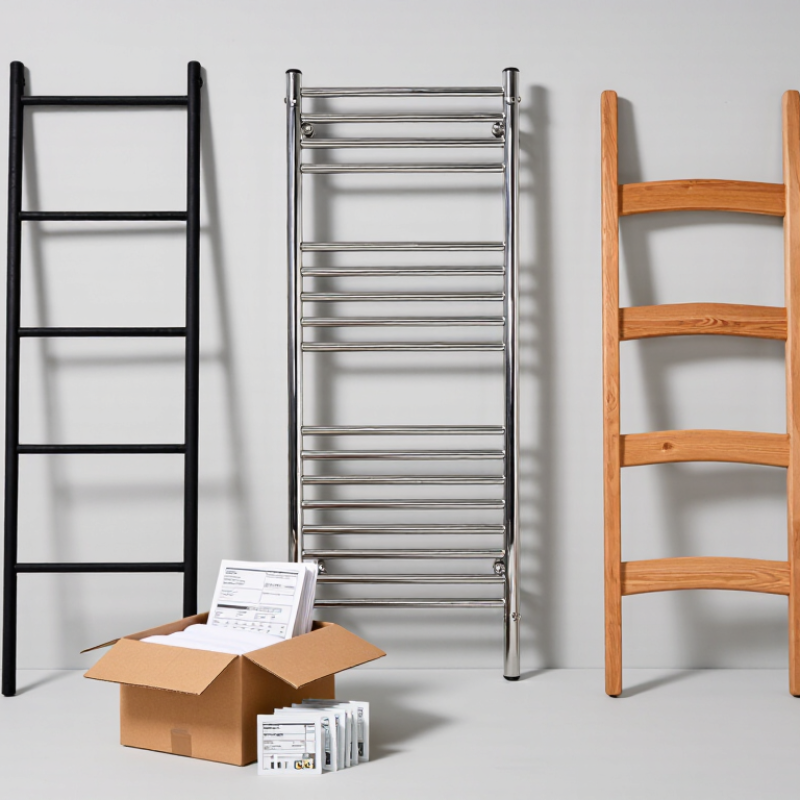
Choosing the right Towel Ladders for wholesale resale involves more than comparing catalog prices. Buyers need products that look appealing, ship reliably, and suit the spaces customers actually use. A ladder with slim rails may fit a narrow bathroom, while wider rungs can hold thicker towels without crowding. Finish matters, too. Matte black, brushed metal, and natural wood each create a different impression, but their durability and care requirements can vary.
Small details count. Check dimensions, materials, assembly instructions, packaging, and stated load capacity before placing a bulk order. Ask suppliers how consistently they can match finishes across repeat shipments, and request samples when possible. A single display unit may look excellent; a carton of uneven welds or scratched surfaces is another story. Catalog photos can conceal those differences. Even careful checks have limits, so test the ladder in realistic conditions and record what you find.
This guide compares leading options through a wholesale buyer’s lens, including style range, construction, practical storage, and supplier considerations. It also highlights questions worth asking about minimum order quantities, lead times, protective packaging, and replacement parts. There is no universal winner. A budget-friendly model may suit a high-volume retailer, while a sturdier, design-led ladder may make more sense for specialty stores. Some comparisons remain imperfect because suppliers do not always publish the same specifications. Treat the rankings as a starting point, then match each option to your customers, price range, and quality expectations.
What Towel Ladders Are and How They Are Used
A towel ladder is a freestanding or wall-mounted rack with horizontal bars for hanging bath towels. Unlike a single hook, it lets towels spread out and dry between uses. In a bathroom, place it near the shower or tub, but leave enough clearance for damp fabric to hang freely. Some models lean against a wall; others attach securely with screws. The difference matters. A loaded leaning ladder can shift on slick tile, so stability should be checked before wholesale buyers select a style or specify installation.
The Houzz 2024 U.S. Bathroom Trends Study surveyed more than 1,000 homeowners undertaking or planning bathroom renovations. Its scale reflects sustained attention to bathroom upgrades, though it does not measure towel-ladder demand specifically. For buyers, that distinction is useful: ladders can serve both practical and decorative roles, but finish, bar spacing, load capacity, and packaging affect their suitability for different projects. A narrow ladder may fit a compact ensuite, while wider bars can accommodate bulky bath sheets. Measure real towels, not just the frame.
Tips: Compare assembled dimensions and installation requirements across samples. Check welds, rung spacing, and floor contact points; small defects show quickly in polished bathrooms. Ask suppliers for material and load-test documentation. It is easy to overvalue appearance. A beautiful ladder that wobbles is still a poor fit.
How Materials and Construction Affect Quality
What Are the Top Towel Ladders for Wholesale Buyers?
How Materials and Construction Affect Quality
Material selection strongly affects a towel ladder’s stability, moisture resistance, and service life. Solid hardwood gives a warmer appearance, but untreated wood can absorb humidity and develop surface movement. The USDA Forest Products Laboratory’s Wood Handbook explains that wood dimensions change with moisture content. Buyers should request kiln-drying details, moisture targets, and protective coating specifications.
Metal ladders need different checks. Stainless steel resists corrosion better than ordinary steel, while powder-coated steel can reduce surface damage when properly applied. However, coating thickness and weld quality matter more than a glossy finish. I would not treat shine as proof of durability. Ask for load testing, weld inspection records, and salt-spray results based on ASTM B117. That test helps compare finishes, but it does not perfectly reproduce every bathroom environment.
Construction details often decide wholesale returns. Look for reinforced joints, level feet, rounded edges, and rails that cannot rotate under pressure. Thin tubing may look elegant but feel unstable with several wet towels. The World Steel Association reported approximately 1.89 billion tonnes of crude steel production in 2023, showing the material’s broad industrial availability. Textile Exchange’s 2024 Materials Market Report recorded 132 million tonnes of global fiber production in 2023, with polyester representing 57%. This matters because ladders must support increasingly varied, heavier textiles. A practical sample test helps. Hang damp towels, move the unit, and inspect every joint. Small weaknesses become expensive at scale.
What Wholesale Buyers Should Compare Before Ordering
What Are the Top Towel Ladders for Wholesale Buyers?
What Wholesale Buyers Should Compare Before Ordering
Before placing a bulk order, compare dimensions, materials, and load capacity. A ladder that looks sturdy in a photo may feel unstable on a tiled floor. Check the overall height and rung spacing against the towels customers actually use. Oversized bath sheets need more room than hand towels. Ask for product specifications and a sample when possible; small finish differences can be easy to miss online.
Material affects weight, durability, and shipping costs. Powder-coated steel can suit busy bathrooms, while wood offers a warmer look but may need more careful moisture management. Inspect joints, welds, feet, and protective coatings. These details matter during repeated handling and display. Also confirm packaging dimensions, carton quantities, assembly requirements, and whether spare hardware is available. A low unit price is less helpful if damaged corners or missing screws create extra work. I’d still compare a few samples in person, because product photos don’t reveal every wobble.
Tips: Test one assembled ladder on a smooth floor. Check that it stands level and that towels do not slide off the rungs. For wholesale planning, compare the landed cost per unit, not just the listed price. Include freight, packaging, and expected defect allowances. Leave a little room for uncertainty; the first estimate is not always the final one.
How to Choose the Best Towel Ladder for Your Market
Choosing a towel ladder for wholesale means matching its design to how customers will actually use it. A compact model may suit small apartments, while wider rails help family bathrooms dry several towels without crowding them. Check the distance between rungs, overall height, and footprint against common room layouts in your market. Small details matter.
Material affects weight, appearance, and care. Metal frames can offer a clean, modern look, but finish quality deserves close inspection. Run a cloth over the rails and check for rough edges, uneven coating, or joints that shift under gentle pressure. Wooden ladders bring warmth, though buyers may need clear care guidance in humid settings. Ask suppliers for load guidance and sample units; do not rely on attractive product photos alone.
Wholesale buyers should also compare carton dimensions, protective packaging, assembly steps, and replacement-part availability. These details shape freight costs and the customer’s first experience. If possible, test a sample with damp towels and leave it in a real bathroom for several days. A showroom test is useful, but it can miss wobble on uneven tile or finish changes near a shower. I would not assume one style fits every market; a small trial order can reveal preferences before a larger commitment.