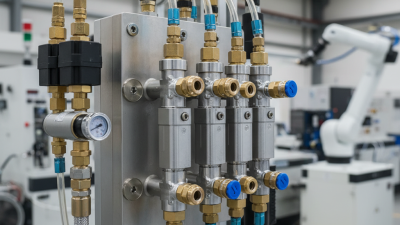
What Are the Top 10 Types of Valves for Global Buyers?
Choosing among the top 10 types of valves is rarely a simple catalog exercise. Global buyers must match valve design with pressure, temperature, fluid behavior, pipe size, actuation, maintenance access, and local operating conditions. A stainless-steel ball valve may isolate clean water quickly, while a globe valve can provide more precise throttling. A resilient-seated butterfly valve may reduce weight and cost, but its performance depends on correct sizing and material selection.
Béla G. Lipták, editor of the Instrument Engineers’ Handbook, stated, “The final control element is the most important component in a control loop.” His observation remains practical for modern purchasing teams. A valve can look suitable on paper and still fail through cavitation, corrosion, leakage, or excessive torque. Small details matter. A humid coastal plant, a chemical-processing line, and a district heating network do not share the same demands.
This guide examines the main types of valves used across industrial, commercial, energy, water, and process applications. It considers function, construction, benefits, limitations, and typical buyer concerns. The list is useful, but it is not absolute. Product quality, supplier documentation, testing, certification, and after-sales support can change the final decision. Even experienced buyers sometimes prioritize purchase price too heavily. That mistake deserves attention. A reliable valve should protect the process, reduce downtime, and remain serviceable long after installation.
Valve Basics: How Valves Control and Direct Fluid Flow
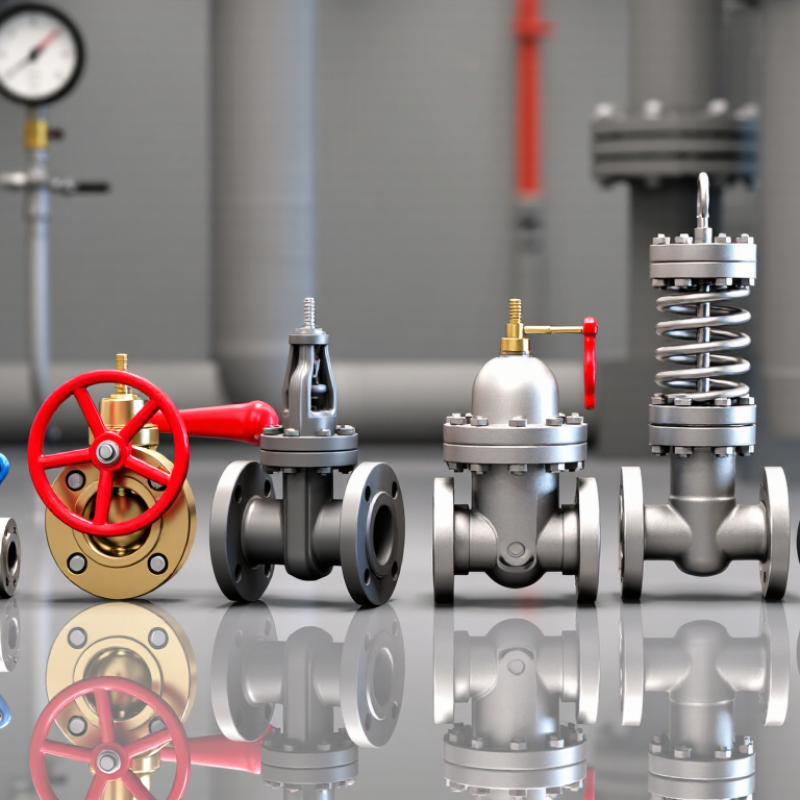
Valves do more than stop flow. They regulate pressure, isolate equipment, and protect connected systems. A gate valve offers low resistance when fully open. However, it is unsuitable for frequent throttling. A globe valve adjusts flow more gradually. A ball valve closes quickly with a quarter-turn action. That speed can create water hammer. A butterfly valve uses a rotating disc and saves space in large pipelines. Small details matter.
The remaining common types include check, plug, needle, diaphragm, safety, and control valves. A check valve permits one-way movement and prevents backflow near pumps. A needle valve provides fine adjustment for low flow rates. A diaphragm valve separates the fluid from moving parts, which helps with corrosive or sanitary services. A plug valve gives dependable isolation in many process lines. Safety valves release excess pressure, while control valves respond to signals from instruments. Each design directs fluid differently.
A reliable selection starts with the fluid, pressure, temperature, pipe size, and required flow pattern. In field inspections, technicians should follow the flow arrow and check the stem, seat, bolts, and actuator. A valve rated for clean water may perform poorly with abrasive slurry. Installation position also matters. I still double-check the obvious, because a reversed check valve can stop an entire line. No selection chart is perfect. Maintenance records, operating noise, leakage, and shutdown frequency can reveal problems that specifications miss.
What Are the Top 10 Types of Valves for Global Buyers?
Valve Basics: How Valves Control and Direct Fluid Flow
The chart compares common valve types by their typical suitability for isolation and throttling.
Scores use a practical engineering scale from 1 to 5: higher values indicate stronger suitability.
Actual performance depends on pressure, temperature, media, materials, and valve design.
The Top 10 Valve Types Used by Global Buyers
Global buyers commonly specify ten valve types:
gate, globe, ball, butterfly,
check, plug, diaphragm, needle,
safety, and control valves. These categories serve different duties across
water treatment, energy, chemicals, food processing, and manufacturing.
Gate valves suit fully open or closed pipelines.
Globe valves provide steadier throttling.
Ball valves offer quick shutoff with compact operation.
Butterfly valves reduce weight and space in large-diameter lines.
A 2024 Grand View Research report estimates the global industrial valves market at about
USD 78 billion in 2023, with continued growth through 2030.
Its analysis links demand to water infrastructure, process industries, and energy projects. Market estimates vary by scope, however.
That difference deserves attention before comparing suppliers. In field inspections, corrosion, pressure cycling, and poor actuator selection
often cause more trouble than the valve body itself.
Check valves can prevent reverse flow, while plug valves handle demanding isolation duties.
Diaphragm valves protect sensitive media. Needle valves support precise low-flow adjustment.
Safety valves release excess pressure, and control valves regulate changing process conditions.
Tips:
Match the valve material with the fluid, temperature, and pressure. Confirm end connections, leakage class, actuator torque, and maintenance access.
Ask for test certificates and a clear pressure-temperature chart. Do not select by price alone. A cheaper valve may create higher downtime costs.
I have also seen specifications copied between projects without checking actual flow conditions. That shortcut can fail.
Global buyers should review standards, installation orientation, spare-part availability, and local service capability before placing an order.
Key Features and Applications of Each Valve Type
In field inspections, valve selection begins with flow, pressure, temperature, and maintenance access. Gate valves offer low resistance when fully open, making them suitable for water mains and pipelines. Globe valves provide accurate throttling but create greater pressure loss. Ball valves shut quickly with a quarter turn and suit fuel, air, and process lines. Butterfly valves are lightweight and compact, especially useful in large-diameter water systems.
Check valves prevent reverse flow without manual operation. Their simple design protects pumps, although poor installation can cause damaging water hammer. Plug valves handle dirty fluids well and often serve in chemical or wastewater service. Diaphragm valves isolate the fluid from moving parts, supporting hygienic processing and corrosive applications. The diaphragm still needs regular inspection. It can fail quietly.
Needle valves provide fine flow adjustment in instruments, sampling lines, and pressure systems. Safety relief valves open automatically when pressure exceeds a set limit, protecting vessels and piping from overpressure. Control valves continuously adjust flow through an actuator and are common in heating, cooling, and production systems. They require correct sizing, not just a suitable connection size. I have seen oversized valves hunt constantly, wasting energy and reducing process stability. Material compatibility, sealing performance, actuation method, and local inspection requirements should be checked before purchase. Some specifications look complete, but omit cycling frequency or emergency conditions.
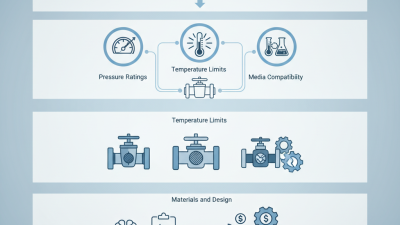
How to Compare Valve Materials, Sizes, Ratings, and Actuators
For global buyers, valve comparison starts with the fluid, not the catalog photograph. Ball, gate, globe, butterfly, check, plug, diaphragm, needle, safety, and control valves solve different flow problems. Material choice is often decisive. Carbon steel suits many ordinary water and oil services, while stainless steel handles more corrosive media. Confirm chemical concentration, temperature, erosion, and cleaning requirements. One missed chloride limit can damage a polished installation.
Size needs more than matching the pipe diameter. Check DN or NPS, connection type, face-to-face dimensions, flow coefficient, and allowable velocity. A DN100 valve may fit the line yet create excessive pressure loss. Pressure and temperature ratings must be read together. Class ratings, PN ratings, body limits, and seat limits can differ. Use recognized design and test requirements, such as applicable ASME, API, ISO, or EN documents. Local regulations still control the final decision.
Actuator selection changes reliability and maintenance. Manual operation may be practical for an infrequently used isolation valve. Pneumatic actuators suit rapid cycling, while electric units support precise positioning and remote integration. Hydraulic actuation fits high-torque duties but demands disciplined leak control. Specify torque, cycle time, fail position, power supply, enclosure, and ambient temperature. I have seen buyers size actuators from normal torque alone. That is risky. Breakaway torque, sticky seats, low temperatures, and emergency conditions deserve margin. A comparison sheet helps, but field data should challenge it.
A Practical Guide to Selecting Valves for International Projects
What Are the Top 10 Types of Valves for Global Buyers?
Selecting valves for international projects requires more than comparing prices. The ten common types are ball, gate, globe, butterfly, check, plug, diaphragm, needle, safety, and control valves. Each solves a different operating problem. Ball valves support quick isolation, while globe valves offer stronger throttling control. Butterfly valves reduce weight and space in large pipelines. Check valves prevent reverse flow, but poor sizing can create damaging water hammer.
That assumption fails.
Grand View Research estimated the global industrial valves market at about USD 75.8 billion in 2023, with continued growth through 2030. This scale reflects demand across water treatment, energy, chemical processing, and manufacturing. For overseas projects, buyers should verify pressure class, temperature range, fluid compatibility, leakage limits, and end connections. ISO 5208 testing records and material certificates provide useful evidence during supplier qualification. IEC 60534 guidance can support control-valve sizing.
Project conditions matter most.
A stainless-steel diaphragm valve may suit corrosive liquids, while a forged steel gate valve may fit high-pressure isolation. Actuation also changes the design: pneumatic, electric, and manual options require different utilities and maintenance plans. I have seen specifications become too ambitious. A valve selected for every possible condition may cost more and operate poorly. Reviewers should compare the normal, startup, shutdown, and emergency cases. Ask for torque data, test procedures, spare-part availability, and clear documentation before approval.