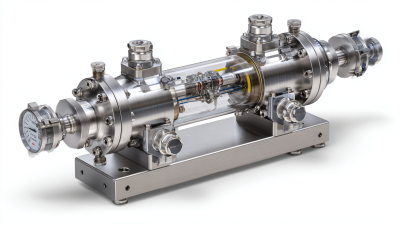
What is a Cryogenic Ball Valve and How Does It Work?
Cryogenic ball valves are essential components in various industries that handle extreme temperatures. These valves are designed to regulate the flow of liquids and gases at cryogenic temperatures, typically below -150°C. Their robust construction ensures reliability and safety in operations involving liquefied gases like nitrogen, oxygen, and natural gas.
Understanding how cryogenic ball valves work is crucial for engineers and industry professionals. They feature a simple yet effective design that makes them easy to operate. The ball within the valve rotates to either open or close the flow path. The materials used in manufacturing these valves must withstand immense pressure while maintaining integrity in severe conditions.
Despite their effectiveness, there are limitations to consider. Installation and maintenance may require specialized skills. Moreover, improper handling can lead to failures, causing serious issues in critical processes. It’s essential to choose high-quality cryogenic ball valves from reputable manufacturers to ensure optimal performance and avoid potential pitfalls.
Definition and Purpose of Cryogenic Ball Valves
Cryogenic ball valves are specialized devices designed to control the flow of cryogenic fluids. These fluids are extremely cold, often below -150°C (-238°F), and include substances like liquefied natural gas (LNG) and liquid oxygen. The primary purpose of cryogenic ball valves is to ensure a tight seal and reliable operation during extreme temperature fluctuations. Their robust construction helps prevent leakage, which is critical in various applications, including energy and aerospace industries.
When selecting a cryogenic ball valve, consider the temperature and pressure ratings specific to your application. Proper material choice is essential for durability. Stainless steel or other alloys are common for their resilience. Always check manufacturers’ specifications for performance under cryogenic conditions.
Tips: Regular maintenance can enhance the valve's lifespan. Inspect for signs of wear or corrosion. Systematic checking helps identify issues early. Additionally, ensure that the installation meets industry standards to mitigate potential risks. Remember, while these valves are engineered for extremes, each component's quality directly influences overall reliability.
Key Components of Cryogenic Ball Valves
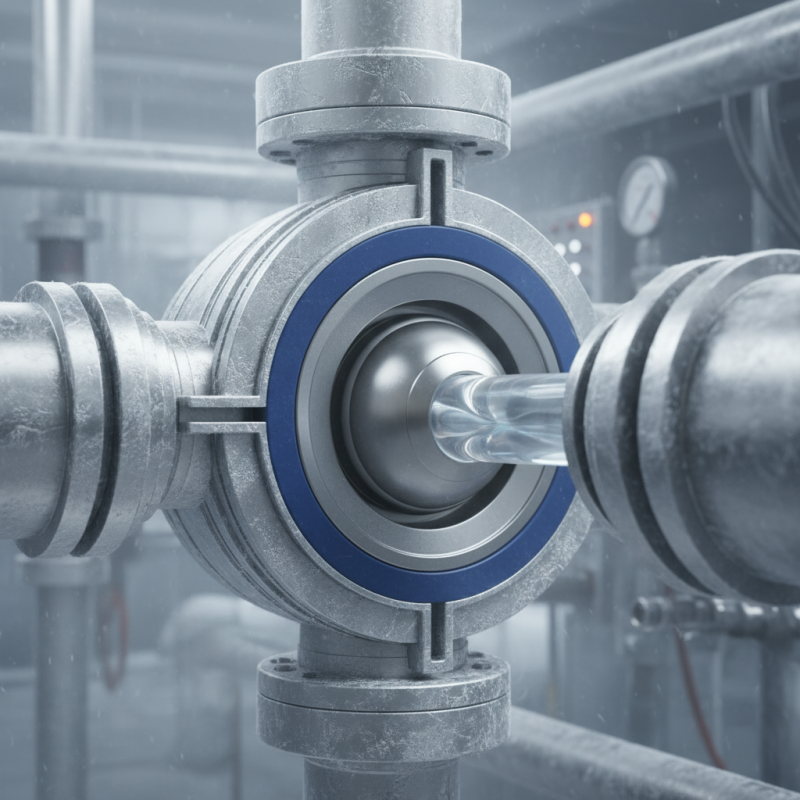
Cryogenic ball valves are essential in industries dealing with extremely low temperatures. Understanding their key components is crucial for effective operation. These valves primarily consist of a ball, a seat, and a stem. The ball features a spherical design with a thorough bore. This design allows for minimal pressure drop during operation, which is vital for maintaining cryogenic conditions.
The seats are typically made of specialized materials that can withstand low temperatures. They form a tight seal around the ball to prevent leakage, which is critical in cryogenic applications. In many cases, these seats are designed to expand slightly when exposed to cold, improving the seal further. The stem connects the ball to the actuator, enabling precise control of the valve's position.
While these components work well, imperfections can occur. For example, improper installation may lead to leaks. Similarly, wear over time can degrade the sealing effectiveness. Regular inspections and maintenance are necessary to ensure durability and reliability. Companies need to invest in proper training for their personnel to avoid installation mistakes. Understanding these factors helps in achieving better operational efficiency.
Cryogenic Ball Valve Temperature Performance
How Cryogenic Ball Valves Operate
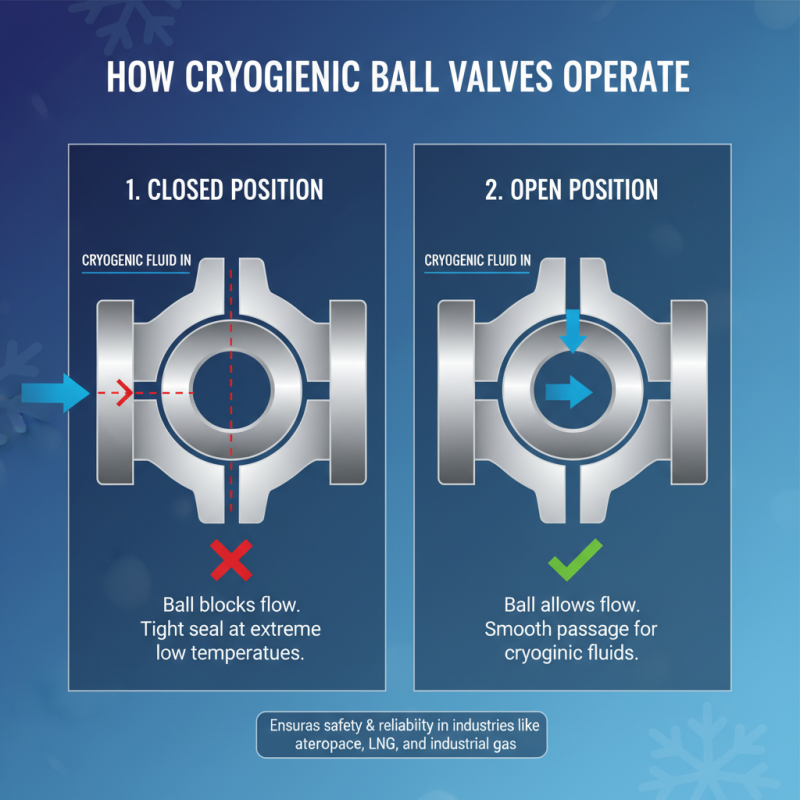
Cryogenic ball valves play a critical role in managing the flow of cryogenic fluids. These valves operate effectively in extremely low temperatures, ensuring safety and reliability in various industries. They consist of a hollow ball that rotates within the valve body. This structure allows for a tight seal when closed and a smooth flow when opened.
The design of cryogenic ball valves enables them to minimize pressure drops. When the valve is closed, the ball’s surface makes contact with the seats, preventing leakage. This is essential for maintaining the integrity of systems dealing with liquefied gases. Simple mechanical action is involved. By turning the handle, the ball either obstructs or permits flow.
Tips: When selecting a cryogenic valve, consider the operational temperature range. Not all valves are made equal. Ensure you check the specifications on the materials used for the body and seals. Ignoring these details can lead to premature failures.
Moreover, regular maintenance is crucial. Inspections can identify wear that might lead to leaks. A proactive approach is often more cost-effective than reactive repairs. Timely maintenance contributes to longer service life and reliability.
Applications of Cryogenic Ball Valves in Industry
Cryogenic ball valves play a crucial role in various industries, particularly where extreme temperatures are involved. These valves are vital in the LNG (Liquefied Natural Gas) sector, which is projected to grow at a CAGR of 10.1% from 2021 to 2028, according to industry reports. Their design allows for precise control of fluid and gas flow at temperatures as low as -196°C. This capability prevents leaks, ensuring safety in high-stakes environments.
In the aerospace industry, cryogenic valves are essential for managing liquid hydrogen and oxygen in rocket propulsion systems. A report by the International Space Agency highlights that cryogenic fluids account for over 90% of fuel used in space missions. This makes the reliability of cryogenic ball valves paramount. Even minor failures can lead to catastrophic outcomes. Regular maintenance and testing are necessary to ensure valve integrity and functionality.
Healthcare applications also utilize cryogenic ball valves in medical gas systems. These systems often require cryogenic liquids for preserving biological specimens. The demand for these valves continues to rise, with estimates suggesting a growth rate of 8% each year in medical applications. This reflects the increasing importance of cryogenic technologies in life sciences. Quality control remains a challenge, as even the smallest inconsistencies can impact patient care.
Advantages and Challenges of Using Cryogenic Ball Valves
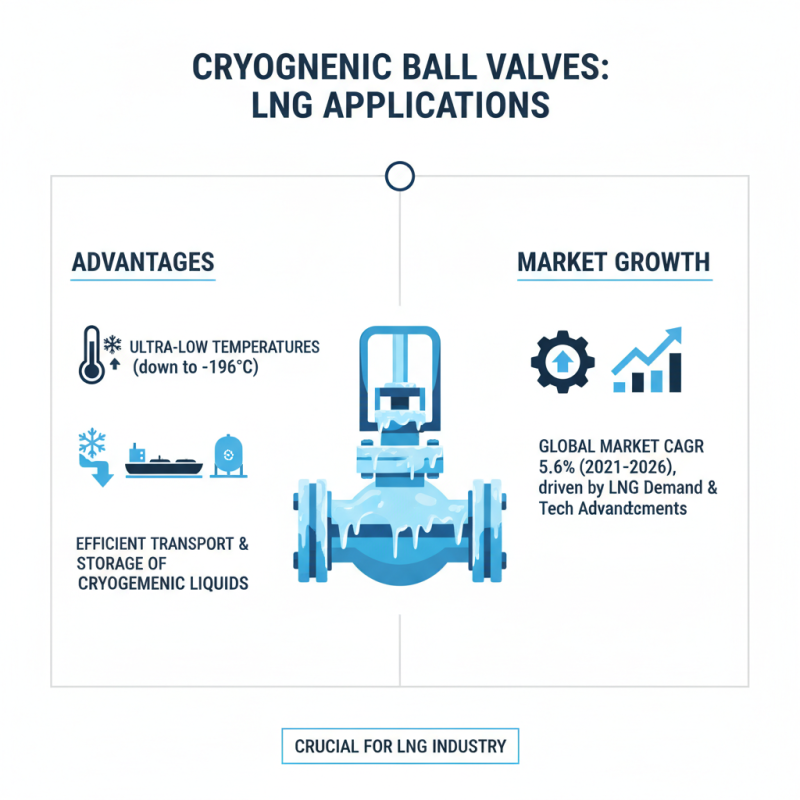
Cryogenic ball valves play a crucial role in various industries, particularly in LNG (liquefied natural gas) applications. One of the main advantages of these valves is their ability to function effectively at extremely low temperatures, often reaching down to -196°C. This capacity makes them indispensable in transporting and storing cryogenic liquids. According to a recent industry report, the global cryogenic valve market is projected to grow at a CAGR of 5.6% from 2021 to 2026. This growth is largely driven by the rising demand for LNG and advancements in cryogenic technologies.
However, users must also confront some challenges. The materials used for cryogenic ball valves must withstand significant thermal stresses, which can lead to fatigue over time. Additionally, the assembly process is complex. Manufacturers need to ensure precise tolerances to avoid leaks. Even slight imperfections can result in failures, impacting safety and operational efficiency. A 2022 study highlighted that nearly 12% of valve malfunctions in the field were linked to inadequate installation practices. Proper training and rigorous quality control measures are essential to mitigate these risks.
The use of cryogenic ball valves requires a balance of benefits and potential drawbacks. Low-temperature operations can cause seals to harden, reducing effectiveness. This aspect emphasizes the importance of ongoing maintenance and regular inspections to ensure reliability. Industry experts recommend a scheduled evaluation of cryogenic systems to preemptively address issues, thus enhancing performance and longevity.