
How to Choose Cryogenic Valves for Global Procurement?
Choosing cryogenic valves for global procurement demands more than comparing prices, connection sizes, and delivery dates. These components must control fluids such as liquid nitrogen, oxygen, hydrogen, or LNG at extremely low temperatures. A valve that performs well during room-temperature testing may behave differently after repeated thermal cycling. Seat contraction, stem extension, trapped liquid, and brittle materials can create serious operational risks.
Klaus D. Timmerhaus, a leading cryogenic engineering authority, wrote, “Cryogenics is the science and technology of temperatures below 120 K.” That boundary explains why ordinary industrial valve assumptions can fail. Procurement teams should examine body and trim materials, leakage class, vacuum-jacket design, pressure ratings, actuation methods, and emergency shutdown requirements. Documentation matters too. Request material certificates, pressure-test records, helium leak-test results, calibration evidence, and traceable serial numbers. Not every supplier provides the same depth of proof.
The supply chain deserves equal attention. Check manufacturing capacity, spare-part availability, local service support, export packaging, and realistic lead times. Confirm that the proposed design fits regional standards and the installation’s hazardous-area requirements. A cheaper valve may increase costs later. It may not.
Field feedback can reveal practical weaknesses, including difficult handwheel operation, icing near the bonnet, or delayed actuator response. Still, one test does not prove long-term reliability. Procurement decisions should combine supplier audits, application calculations, independent verification, and documented operating history. Global purchasing is rarely perfect. A careful review can expose assumptions before they become failures.
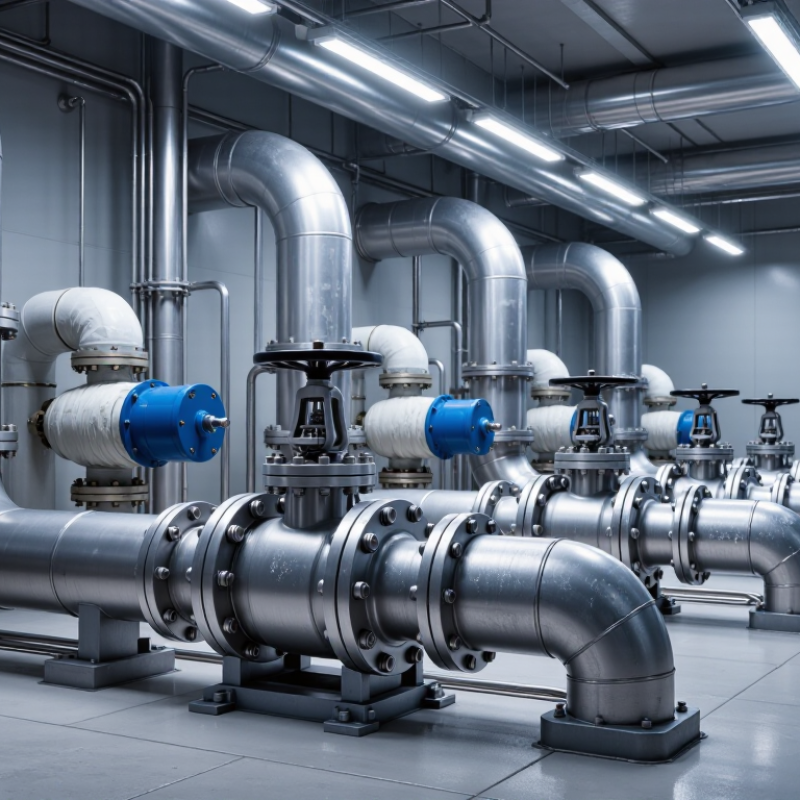
Cryogenic Valve Basics: Definitions, Functions, and Operating Conditions
How to Choose Cryogenic Valves for Global Procurement?
Cryogenic valves control fluids kept below approximately -150°C, including liquid nitrogen, oxygen, argon, and natural gas. At these temperatures, metals contract, seals harden, and trapped liquid can create dangerous pressure. A suitable valve must manage flow while protecting the operator and connected equipment.
Typical choices include globe, ball, gate, and check valves. Globe valves provide accurate throttling, while ball valves offer quick isolation and low flow resistance. Gate valves suit fully open or fully closed service. Check valves prevent reverse flow in transfer lines. Extended bonnets keep packing and actuators away from extreme cold. This detail matters during repeated operation.
Operating conditions should guide every specification. Record the fluid, temperature range, pressure, flow rate, phase, and required leakage class. Oxygen service also demands strict cleanliness and compatible materials. Examine body alloys, seat materials, stem design, and bonnet length. Thermal cycling can expose weaknesses that a single pressure test misses.
Small details matter. A valve may pass factory tests yet perform poorly after many cold starts. Procurement teams should request cryogenic test evidence, material certificates, maintenance instructions, and traceable inspection records. Verify flange dimensions and actuator requirements before shipment. Global sourcing can introduce measurement differences.
One assumption deserves challenge: the largest valve is not always the safest choice. Oversizing may reduce control accuracy and increase cost. Field conditions also change. Recheck the design when pressure drops, transfer speed, or ambient temperature differs from the original plan.
How to Choose Cryogenic Valves for Global Procurement?
Cryogenic Valve Basics: Definitions, Functions, and Operating Conditions
| Category | Selection Dimension | Typical Data or Technical Definition | Global Procurement Considerations |
|---|---|---|---|
| Definition | Cryogenic valve | A valve designed to control, isolate, or direct fluids maintained at very low temperatures, commonly below approximately −40°C. Applications may include liquefied natural gas, liquid nitrogen, liquid oxygen, liquid argon, liquid hydrogen, and helium. | Confirm the minimum design temperature, fluid phase, allowable leakage rate, material compatibility, and applicable regional certification before requesting quotations. |
| Function | Isolation | Stops or permits the flow of cryogenic fluid. Common isolation designs include ball valves, gate valves, globe valves, and butterfly valves. | Select the valve according to line size, pressure class, required shutoff performance, actuation frequency, and available installation space. |
| Function | Flow regulation | Adjusts flow rate or pressure. Globe valves and specially characterized control valves are generally more suitable for throttling than standard isolation ball valves. | Request flow-coefficient data such as Cv or Kv, operating differential pressure, cavitation assessment, and the required control range. |
| Valve Type | Cryogenic ball valve | Uses a rotating ball with a port to provide relatively low flow resistance and rapid quarter-turn operation. Available in floating or trunnion-mounted configurations. | Check cavity-pressure relief, stem extension, seat material, fire-safe requirements, bidirectional shutoff, and suitability for frequent cycling. |
| Valve Type | Cryogenic globe valve | Uses a linear-moving disc or plug and is commonly selected where throttling, precise flow control, or a controlled pressure drop is required. | Compare pressure loss, actuator thrust, trim characteristics, flow direction, and maintenance access with the process-control requirements. |
| Valve Type | Cryogenic gate valve | Provides a low-resistance, full-bore flow path when fully open and is primarily intended for on/off service rather than continuous throttling. | Verify wedge or slab-gate design, cavity-pressure management, installation orientation, stem extension length, and emergency shutoff requirements. |
| Valve Type | Cryogenic butterfly valve | Uses a rotating disc and can offer a compact, lightweight solution for larger nominal pipe sizes, subject to pressure, temperature, and sealing limitations. | Confirm seat construction, allowable leakage, disc clearance, operating torque, flange compatibility, and low-temperature qualification. |
| Operating Condition | Temperature range | Common process temperatures include approximately: LNG: −162°C Liquid nitrogen: −196°C Liquid oxygen: −183°C Liquid hydrogen: −253°C | Specify normal, minimum design, maximum design, cooldown, warm-up, and ambient temperatures. The valve body, trim, seals, packing, and actuator must be evaluated across the complete range. |
| Operating Condition | Pressure rating | The required rating depends on design pressure, temperature derating, line size, fluid, relief scenarios, and the selected piping standard. Nominal pressure classes must not be treated as interchangeable across standards. | Provide design pressure and temperature together. State whether the project uses ASME Class, PN, or another pressure designation, and require documented pressure-temperature ratings. |
| Operating Condition | Fluid properties | Important properties include fluid composition, boiling point, density, viscosity, corrosivity, oxidizing behavior, flammability, toxicity, and whether the medium is liquid, gas, or two-phase. | Do not specify a valve only by “cryogenic service.” Provide the exact medium and composition, especially for oxygen service, hydrogen service, mixed refrigerants, and hazardous gases. |
| Design Feature | Extended bonnet | A long bonnet or stem extension positions the stem seal and actuator away from the cold zone, helping reduce heat transfer and protecting packing or sealing components. | Specify extension length, orientation, insulation clearance, actuator location, and accessibility. Extension length should suit the valve size, insulation system, and operating temperature. |
| Design Feature | Pressure relief in trapped cavity | Liquefied fluid trapped in a closed valve cavity may warm and expand significantly. A relief path or pressure-relieving seat arrangement may be required to control overpressure. | Confirm the relief direction, allowable cavity pressure, relief-device interface, and compatibility with the process safety design. Requirements vary with valve type and application. |
| Materials | Body and pressure parts | Austenitic stainless steels are widely used because they generally retain useful toughness at cryogenic temperatures. Material selection must be verified for the specific minimum design temperature. | Request material certificates, heat numbers, impact or low-temperature toughness evidence where required, and traceability for pressure-retaining parts. |
| Materials | Seals, seats, and packing | Non-metallic materials must retain sealing capability at low temperature and remain compatible with the process fluid. Seat and packing selection also affects torque, emissions, and cycle life. | Request the material grade, temperature limit, fluid compatibility, leakage performance, fugitive-emission data, and replacement-part availability. |
| Safety | Oxygen service | Oxygen service requires materials, cleaning, assembly, lubrication control, and testing procedures that minimize ignition risk. Hydrocarbon contamination can create a serious hazard. | Clearly identify oxygen service at inquiry stage and require documented oxygen-cleaning procedures, packaging controls, inspection records, and compatible lubricants or dry assembly methods. |
| Safety | Hydrogen and flammable service | Hydrogen and other flammable fluids require attention to permeation, leakage, ignition sources, material compatibility, pressure cycling, and grounding or electrical classification where applicable. | State the fluid, pressure, temperature, leakage target, hazardous-area requirements, and applicable project safety rules. Obtain application-specific qualification evidence. |
| Actuation | Manual or automated operation | Cryogenic valves may use handwheels, pneumatic actuators, electric actuators, or hydraulic actuators. Required torque or thrust changes with temperature, pressure differential, seat design, and cycling. | Provide fail-open, fail-closed, or fail-in-place requirements; available utilities; signal type; response time; emergency shutdown duty; and minimum/maximum operating torque. |
| Testing | Pressure and leakage testing | Typical quality documentation may include shell testing, seat leakage testing, functional testing, dimensional inspection, material certificates, and low-temperature performance testing where specified. | Define the test medium, test pressure, acceptance criteria, leakage direction, test temperature, inspection hold points, and required records before purchase order placement. |
| Standards | Applicable codes and specifications | Commonly referenced documents may include ISO 28921 for industrial valves for low-temperature applications, EN 1626 for cryogenic valves, ASME B16.34 for valves, and relevant piping, pressure-equipment, and emissions standards. | The governing standard depends on project location and service. List the mandatory edition, conformity route, inspection plan, marking rules, and pressure-class system in the purchase specification. |
| Installation | Pipe connection | Connections may include flanged, butt-weld, socket-weld, threaded, or other project-approved configurations. The connection must match the piping material, wall thickness, pressure class, and installation method. | Specify nominal size, end-to-end dimension, flange facing, pressure designation, weld-end dimensions, material grade, and any cleaning or purge requirements. |
| Lifecycle | Maintenance and spares | Maintainability depends on valve accessibility, seal replacement requirements, actuator removal, available repair kits, cycle frequency, and the consequences of leakage or downtime. | Include recommended spare seats, seals, packing, fasteners, actuator components, storage conditions, preservation instructions, and service documentation in the procurement package. |
| Procurement | Minimum inquiry data | A complete inquiry should include service fluid, phase, flow rate, pressure, temperature, pipe size, connection type, valve function, materials, leakage class, actuation, standards, inspection, and delivery requirements. | Use a standardized datasheet and technical bid comparison. Evaluate compliance, safety, documentation, total cost of ownership, lead time, and local service capability—not purchase price alone. |
Related Posts
-
How to Choose the Best Cryogenic Valves for Your Application?
-
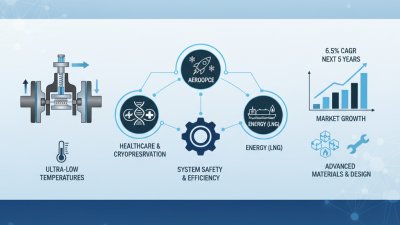
Best Cryogenic Check Valves for Essential Applications in Cold Environments
-
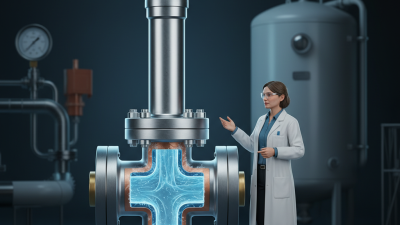
What is a Cryogenic Valve and How Does it Work?
-
Top 10 Cryogenic Ball Valves You Should Know About?
-
Best Cryogenic Check Valves to Discover at Canton Fair 2026?
-
2026 Best Cryogenic Ball Valves for Global Procurement?