How to Choose Cryogenic Ball Valves for Your Applications?
In the realm of industrial applications, selecting the right cryogenic ball valves is crucial. The global market for cryogenic valves is projected to reach $7 billion by 2027, as industries increasingly rely on efficient fluid control. These valves must perform reliably under extreme temperatures and pressures.
With a myriad of options available, understanding the specific requirements of your application is essential. Factors such as material compatibility, pressure rating, and temperature limits play significant roles in ensuring optimal performance. Reports indicate that improper selection can lead to operational failures, resulting in costly downtime and safety hazards.
Despite advancements in valve technology, many professionals still face challenges. Issues like material degradation and leakage are common when utilizing substandard components. A thoughtful approach in choosing cryogenic ball valves can enhance both efficiency and safety in operations. Prioritizing quality and manufacturer reputation is vital in making the right choice.
Understanding Cryogenic Ball Valves and Their Applications
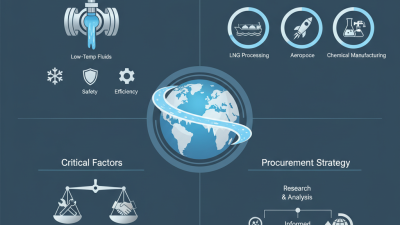
Cryogenic ball valves are essential in various industries, including natural gas, LNG, and aerospace. These valves control the flow of cryogenic fluids, which can reach extremely low temperatures. Understanding their specifications and applications is critical for optimizing performance and safety.
When selecting cryogenic ball valves, consider the operating temperature range. Many valves can only handle temperatures down to -196°C. Verify that the materials used can withstand these conditions. Materials like stainless steel or carbon steel are common, but not all are suitable for low temperatures. A careful review of the valve design is essential to prevent leaks or malfunctions.
**Tips:** Check for insulation and sealing features. Good insulation prevents temperature fluctuations, which can impact valve functionality. Be aware that not all suppliers provide detailed testing data. Ensure you are sourcing from a reliable manufacturer.
Installation location also plays a role. Avoid placing valves in areas exposed to external heat sources. Improper installation can lead to performance issues. Always consult with experts if you’re unsure about placement.
**Tips:** Select valves with easy-to-access designs for maintenance. Regular checks can prevent unexpected failures. Engage with certified professionals to ensure compliance with industry standards.
Key Factors to Consider When Selecting Cryogenic Ball Valves
When selecting cryogenic ball valves, several key factors demand attention. The material used in the valve construction is crucial. It should withstand low temperatures and resist corrosion. Choosing the right material ensures durability. Stainless steel is often a reliable choice, but alternative alloys may be suitable, depending on the application.
Another vital aspect is the valve's pressure rating. This rating indicates the maximum pressure the valve can handle. For high-pressure applications, ensure the valve can sustain the required levels. Ensure your choice aligns with the operational pressures of your system.
Tips: Always consult technical specifications before making a decision. Consider the valve's size, as it must fit the piping system without limitations. Additionally, review installation requirements, as some valves may need special fittings or adaptations. Misjudging these elements can lead to inefficiencies.
Pay attention to the valve's design, too. Features like the stem seals and seat types affect performance. Check whether the design ensures tight sealing to prevent leaks. A reliable seal is vital for safety and efficiency in cryogenic systems.
Key Factors in Choosing Cryogenic Ball Valves
Materials and Construction for Cryogenic Valve Performance
When selecting cryogenic ball valves, understanding materials and construction is crucial for optimum performance. Cryogenic applications typically involve temperatures below -150°C. In these extreme environments, materials must withstand thermal stress without compromising integrity. Metals such as stainless steel and special alloys are commonly recommended due to their superior strength and ductility at low temperatures.
Data from industry reports indicate that valve design greatly influences reliability. For instance, well-designed valves reduce the risk of leakage, which is crucial in cryogenic applications. A study highlighted that up to 30% of premature valve failures stem from improper material selection. Quality construction processes, including welding and machining, can enhance valve longevity.
**Tips:** Always verify material specifications against the service conditions. Seek certifications to ensure compliance with industry standards.
Another consideration is the sealing mechanism. Advanced elastomers, designed for cryogenic use, improve sealing performance. However, selecting the wrong type can lead to failures. Regular inspections of the sealing surfaces are essential.
**Tips:** Document maintenance activities to track valve performance over time. This helps in early detection of potential issues.
In conclusion, ensuring that materials are suitable for cryogenic conditions is an investment in reliability. Prioritizing quality in both material and construction can lead to significant cost savings in the long run.
Sizing and Dimensioning of Cryogenic Ball Valves
When selecting cryogenic ball valves, sizing and dimensioning are crucial factors. The correct valve size ensures optimal performance in extreme temperatures. For instance, many applications work within the range of -196°C to -253°C. During this process, thermal expansion must be considered. A poorly sized valve can lead to inefficiencies and potential failures.
Industry reports indicate that miscalculating valve dimensions can reduce system efficiency by up to 25%. For instance, a valve that is too large may lead to increased pressure drops. Conversely, a valve that is too small can interrupt the flow. Accurate calculations based on flow rates and pressure specifications are essential.
In practice, using tools such as flow rate calculators and pressure drop charts can help achieve the correct dimensions. However, there is no one-size-fits-all solution, and this requires continual refinement based on operational data. It’s important to balance design specifications with real-world applications, ensuring reliability in demanding conditions. Detailed analysis and hands-on experience play vital roles in achieving a successful installation.
Maintenance and Safety Considerations for Cryogenic Ball Valves
Cryogenic ball valves are essential in many industrial applications. Maintenance is crucial for their reliability. Regular inspections help detect wear and potential leaks early. Operators should visually assess valves for signs of corrosion or deformation. Also, they should check seals and gaskets for integrity. A minor crack can lead to significant failures in cryogenic systems.
Safety considerations cannot be overlooked. Operators must ensure that valves are installed correctly and securely. Loose fittings can create hazardous conditions. Training personnel on proper operation is vital. They should understand how temperature fluctuations affect valve performance. Additionally, emergency procedures should be established. Regularly scheduled maintenance events can reveal hidden issues, allowing timely interventions.
Attention to detail is essential. For instance, maintenance logs can help track valve performance over time. These records are often helpful when troubleshooting. However, human error can compromise these records. Regular reviews of procedures may identify gaps in training. Continuous improvement is key in ensuring safety and efficiency.
How to Choose Cryogenic Ball Valves for Your Applications? - Maintenance and Safety Considerations for Cryogenic Ball Valves
| Dimension |
Material |
Temperature Range (°F) |
Pressure Rating (psi) |
Maintenance Frequency |
Safety Features |
| 2 inch |
Stainless Steel |
-320 to 150 |
600 |
Annually |
Bellow Seal, Locking Mechanism |
| 4 inch |
Carbon Steel |
-325 to 200 |
300 |
Biannually |
Pressure Relief Valve, Manual Override |
| 6 inch |
Bronze |
-310 to 120 |
500 |
Semi-Annually |
Emergency Shut-off, Sensor Integration |