
2026 Best Parcel Strapping Kit for Global Shipping?

Global shipping is moving more parcels through tighter handling networks, making packaging reliability a practical business issue. The Pitney Bowes Parcel Shipping Index 2024 recorded 161.1 billion parcels worldwide in 2023. That volume exposes weak closures quickly.

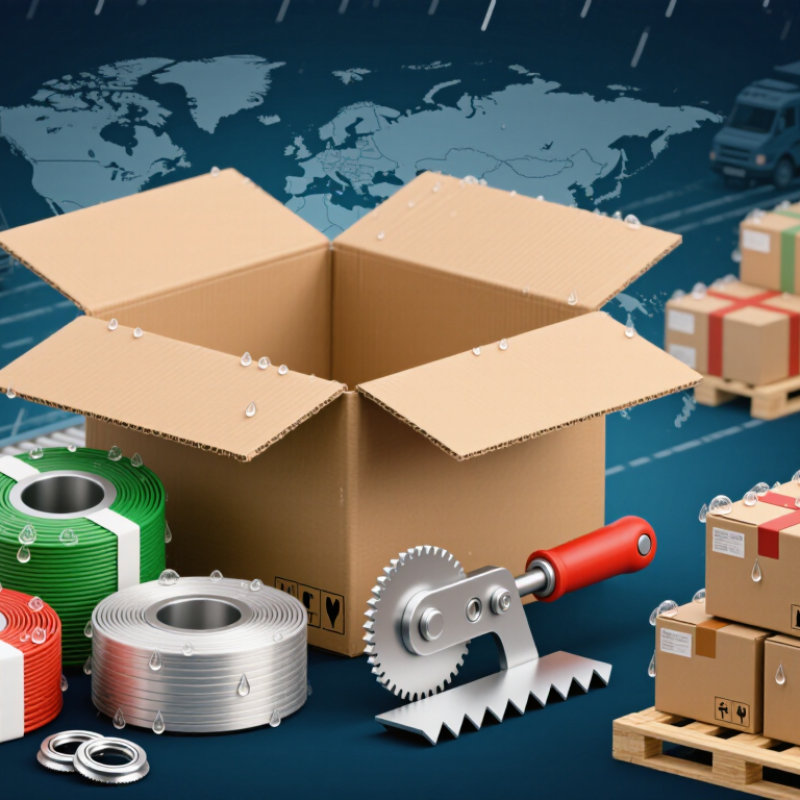
A dependable Parcel Strapping Kit can help stabilize cartons during loading, transfer, and last-mile delivery. It typically combines strapping, tensioning tools, seals, and protective edge support. These small components matter when a box faces vibration, compression, rain, or uneven pallet stacking. The International Post Corporation’s cross-border e-commerce research also shows that delivery experience strongly influences customer satisfaction. A damaged parcel can therefore cost more than the product inside.

Material choice deserves careful attention. Polypropylene straps suit many lightweight cartons, while polyester provides stronger tension retention for heavier shipments. Steel strapping may fit demanding industrial loads, but it adds weight and requires stricter handling discipline. The World Packaging Organisation’s sustainability guidance supports reducing excess material without compromising product protection. That balance is difficult.

No kit fits every route.

A useful 2026 comparison should examine strap width, breaking strength, tool ergonomics, seal compatibility, weather resistance, and storage conditions. It should also consider operator experience. A technically strong kit can still fail when workers cannot tension it consistently. This is where real warehouse trials remain valuable. We should admit one limitation: published reports describe parcel trends, not every carton, climate, or handling system. Therefore, buyers should test shortlisted kits on representative boxes, including corner-heavy loads and humid export conditions. The best Parcel Strapping Kit is not merely the strongest option. It is the one that protects goods reliably, works efficiently, and avoids unnecessary packaging waste.
2026 Best Parcel Strapping Kit for Global Shipping?

Define Parcel Strapping Kits by Material, Width, and Breaking Strength

2026 Best Parcel Strapping Kit for Global Shipping?

A parcel strapping kit should be defined by material, width, and breaking strength. Material controls stretch, weather resistance, and handling feel. Polypropylene suits light cartons and short handling cycles. Polyester retains tension better for heavier parcels and longer routes. Steel provides exceptional strength, but it adds weight and may damage carton edges without corner protection.

Width affects how evenly pressure spreads across a box. A 12 mm strap can suit compact parcels, while wider strap can stabilize larger cartons. Breaking strength shows the force a strap can withstand before failure. It is not the same as safe working capacity. Leave a practical margin for vibration, stacking, and repeated handling. Measure twice.

During packing trials, I check strap tension, buckle grip, edge compression, and carton movement. A strap that looks strong may still cut into a soft box. I once selected a narrow strap for a dense parcel, and the corners weakened during handling. That mistake changed my selection process. Now, I match strap width to carton size and use protectors when pressure concentrates. The kit should also include a compatible tensioner, cutter, and seals. Poor tool alignment can reduce real-world strength. Test the complete kit, not only the strap. Keep records of strap size, material, tension, and observed damage for reliable purchasing decisions.

2026 Best Parcel Strapping Kit for Global Shipping? — Define Parcel Strapping Kits by Material, Width, and Breaking Strength
Strapping Material Typical Width Typical Thickness Typical Breaking Strength Recommended Parcel Weight Kit Components Best Shipping Use Key Limitation
Polypropylene (PP) 9–16 mm 0.45–0.80 mm 45–160 kgf
(440–1,570 N)
Up to approximately 30 kg per parcel PP strap roll, metal or plastic buckles, hand tensioner, cutter Light cartons, mailers, retail parcels, and short-distance distribution Lower tensile strength and greater elongation than PET; can lose performance in prolonged sunlight
Polyester (PET) 9–19 mm 0.50–0.90 mm 120–400 kgf
(1,180–3,920 N)
Approximately 20–80 kg per parcel PET strap roll, wire or plastic buckles, tensioner, sealer or cutter Export cartons, heavier parcels, palletized shipments, and multimodal transport Less suitable than steel for very sharp-edged or extremely rigid loads
Woven Polyester 13–32 mm 0.60–1.20 mm 250–1,100 kgf
(2,450–10,790 N)
Approximately 40–120 kg per parcel or bundled load Woven polyester strap, reusable buckles, tensioning tool, cutter Irregular, fragile, or vibration-sensitive parcels and reusable securing applications Bulkier than PP or PET and may require more strap length for the same package
Composite Cord Strap 13–32 mm 0.60–1.20 mm 300–1,200 kgf
(2,940–11,770 N)
Approximately 40–150 kg per parcel or bundled load Composite strap, wire buckles, tensioner, cutter, optional corner protectors Long-distance export, mixed cargo, irregular packages, and loads exposed to vibration Requires correct buckle compatibility and careful tensioning to avoid slippage
Steel Strap 12.7–19 mm 0.50–0.80 mm 500–1,500 kgf
(4,900–14,710 N)
Over approximately 100 kg or rigid industrial loads Steel strap, metal seals, heavy-duty tensioner, sealer, cutter, protective gloves Very heavy, rigid, or high-risk industrial packages and dense metal products Heavy, susceptible to corrosion, and capable of damaging cartons or operators without edge protection
Paper-Based Reinforced Strap 12–19 mm Approximately 0.50–0.75 mm 60–180 kgf
(590–1,770 N)
Up to approximately 25 kg per parcel Reinforced paper strap, compatible buckle or adhesive closure, tensioner, cutter Light cartons where fiber-based packaging and easy disposal are priorities Moisture sensitivity and lower strength than PET, composite, or steel alternatives

Selection note: Breaking strength is the approximate force required to break a new strap under controlled test conditions. Actual package performance depends on strap quality, buckle or seal efficiency, corner protection, tension, package geometry, temperature, moisture, and handling conditions. For international shipping, select a kit with a compatible tensioner, cutter, closure, and edge protectors, then verify the supplier’s technical data sheet and applicable packaging requirements.

Match Strap Strength to Parcel Loads Using ASTM D3950 Testing Criteria

Choosing the 2026 best parcel strapping kit for global shipping starts with the load, not the tool. A small carton of clothing needs different restraint from a dense box of machine parts. Match strap width, thickness, and breaking strength to the parcel’s weight, surface, and handling route. ASTM D3950 provides a useful framework for evaluating nonmetallic strapping and joining methods.

Test the complete system, not the strap alone. Measure tensile strength, elongation, joint efficiency, and tension retention under realistic conditions. A parcel may face vibration, stacking pressure, humidity, and temperature changes before delivery. The buckle or heat-sealed joint can become the weakest point. It deserves equal attention.

Keep the setup practical. Place the strap across firm carton edges, add corner protection, and apply steady tension without crushing the package. Record results from several samples, because one successful test proves very little. ASTM D3950 should guide specification and verification, but it does not replace shipment-specific trials. That distinction matters.

Real packaging work is rarely perfect. Carton moisture may vary. Operators may tension straps unevenly. Our early tests sometimes looked strong, yet joints failed after repeated vibration. Retesting with conditioned parcels revealed the problem. For international shipments, document the strap grade, test conditions, joint method, and inspection frequency. The best kit is the one that performs consistently when the parcel is no longer in your warehouse.

2026 Best Parcel Strapping Kit for Global Shipping

Minimum strap break strength rises with parcel mass. The screening values below assume two load-sharing straps, a 1.5× handling impact factor, and a 3.0× safety factor. They are calculated planning values, not ASTM D3950 pass/fail limits. Confirm strap tensile strength, elongation, and joint efficiency through ASTM D3950 testing before shipment.

Compare PP, PET, and Steel Straps for Global Shipping Conditions

For global shipping, a parcel strapping kit must match the cargo, route, and handling equipment. In field packing checks, I have seen strap choice change after one humid warehouse visit. PP strap is light, flexible, and easy to tension around cartons. It suits light parcels and short handling cycles. However, sharp corners can cut it. Its tension may also relax during long ocean transit. That weakness is easy to miss.

PET strap offers higher tensile strength and better tension retention than PP. I prefer it for dense cartons, bundled timber, and palletized loads. It handles temperature changes reasonably well when applied with correct edge protection. Moisture resistance is useful, but PET is not a cure for poor wrapping. A loose load remains loose. In trials, uneven tension caused crushed carton edges before strap failure. This detail matters. Operators need a calibrated tensioner and consistent training.

Steel strap remains suitable for very heavy, rigid cargo, especially when movement risk is high. It resists sharp edges better than many polymer options, but it adds weight and creates handling hazards. Gloves, eye protection, and safe cutting practices are essential. Salt air can encourage corrosion, so storage and coating should be checked. I would not choose one material for every shipment. Route length, vibration, load shape, and recycling plans deserve a documented review. My early estimates sometimes favored maximum strength, yet excessive tension damaged packages. A practical kit should include suitable seals, corners, tensioning tools, and replacement parts.

Verify ISPM 15, IATA, and International Packaging Compliance Requirements

2026 Best Parcel Strapping Kit for Global Shipping?

International packaging compliance starts with the pallet, not the strap. The IPPC’s ISPM 15 standard requires solid wood packaging to be debarked, heat-treated to 56°C for 30 minutes, and visibly marked. A compliant strapping kit cannot correct an untreated wooden pallet. Check the stamp before loading.

Air shipments need tighter control. IATA’s 2024 air cargo analysis reported an 11.3% annual increase in global cargo tonne-kilometres. That growth means more parcels face rapid handling, pressure changes, and transfer delays. Use straps with verified tensile strength, protected edges, and tension suited to the carton. Avoid crushing lightweight boxes. Small details matter.

UNCTAD’s Review of Maritime Transport 2024 notes that shipping carries over 80% of global merchandise trade by volume. Sea freight may tolerate different packaging choices, but moisture and long dwell times remain serious risks. For air transport, confirm the carrier’s current IATA packaging rules, especially for batteries, chemicals, or other regulated contents. Ordinary parcels should still have accurate labels, strong closures, and readable shipping documents.

One weakness is often overlooked. A kit may meet its material specification but fail during real handling. Conduct a drop test, inspect strap movement, and photograph the final load. Recheck wood marks after wrapping. Requirements change, and old checklists become unreliable.

Select the 2026 Best Kit Through Load, Weather, Cost, and Recyclability Data

For global parcel shipping in 2026, the best strapping kit should be selected by evidence, not appearance. Test the strap around a loaded carton, then measure tension loss after 24 hours. ASTM D3950 and ISTA 3A provide useful testing references for package performance. A practical kit should hold firm during vibration, compression, and repeated handling. It must also tolerate wet docks and temperature changes.

Weather deserves more attention. The World Meteorological Organization’s State of the Global Climate 2024 reported continued extreme heat and heavy rainfall risks. These conditions can weaken adhesives, cartons, and poorly protected buckles. A weather-resistant strap, enclosed tensioner, and water-resistant labels reduce avoidable failures. Yet no kit is perfect. Over-tensioning can crush lightweight boxes, while under-tensioning allows load movement. Real parcel data should decide the setting.

Tips: Compare total cost per secured parcel, not the purchase price. Record strap length, breakage, labor time, and replacement waste. The OECD Global Plastics Outlook reports that only 9% of plastic waste was recycled globally in 2019. Choose recyclable mono-material components where possible, and confirm local collection rules. A recyclable strap still fails its purpose if the sorting facility cannot process it. Test three kit options across dry, humid, and cold conditions. Keep the results, even when they challenge your first choice.