Choosing the right low pressure relief valve can protect equipment, operators, and production schedules across many industries. Global buyers often face different pressures, media, connection standards, and documentation requirements. A valve suited to a clean-water system may perform poorly with compressed air, mild chemicals, or changing temperatures. Small details matter, such as a visible set-pressure mark, stainless-steel spring, threaded outlet, or test certificate.
This guide reviews seven practical low pressure relief valve options for international purchasing teams. Each option is considered through pressure range, flow capacity, body material, sealing performance, installation style, and maintenance needs. We also examine supplier transparency, factory testing, replacement parts, and technical support. These factors can matter more than a low purchase price. Check the numbers carefully. A relief valve must match the protected vessel and operating conditions, not merely fit the pipe.
No shortlist is perfect. Product data can vary between suppliers, and online specifications may omit important limitations. We may overlook a regional preference or a difficult installation detail. That is why buyers should confirm certified performance, compatible media, temperature limits, and applicable local requirements before ordering. Clear drawings and responsive engineering support are valuable signs of a dependable manufacturer. The best choice should open reliably, reseat consistently, and remain serviceable after months of real operation. Safety comes before convenience.
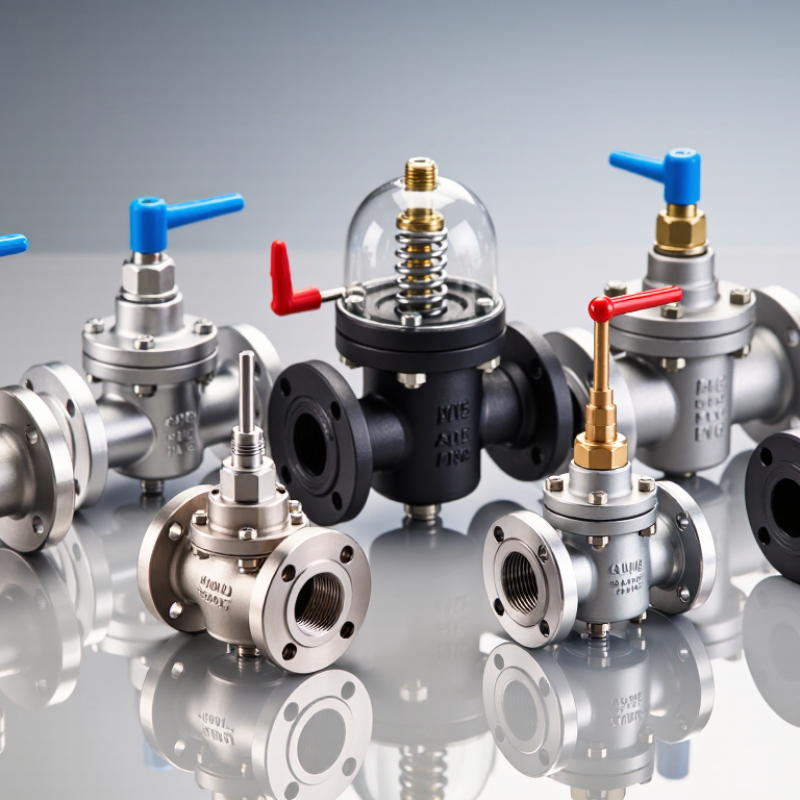
Low-pressure relief valves protect tanks, pipelines, and process equipment from excessive internal pressure. They are designed for systems where even a small pressure increase may damage seals, walls, or connected instruments. They are not ordinary shutoff valves. Their purpose is automatic pressure release.
Inside the valve, a spring, diaphragm, or weighted mechanism holds the outlet closed. When system pressure reaches the preset level, it overcomes the closing force. The valve then lifts and releases gas or liquid through a controlled discharge path. After pressure falls, the valve reseats. The process is mechanical and rapid. However, it is not always perfectly smooth. Temperature, vibration, backpressure, and dirt can affect response accuracy.
For global buyers, selection should begin with the actual medium, operating pressure, temperature, flow rate, and connection size. Material compatibility matters, especially with moisture, chemicals, or abrasive particles. Request a calibration record, pressure test results, material details, and clear installation instructions. Local codes may also require specific discharge arrangements. Small errors matter. A valve with the correct thread but an unsuitable spring can still fail in service. One practical lesson is often overlooked: maintenance access should be checked before purchase. A technically suitable valve may become difficult to inspect after installation.
Choosing the seven best low pressure relief valves starts with the application, not the catalogue photograph. Confirm the set pressure, operating pressure, flow rate, and expected backpressure. A valve that opens at 0.2 bar may perform poorly when temperature changes. Small errors matter.
Material compatibility deserves careful attention. Stainless steel may suit clean gases, while engineered polymers can reduce weight in selected systems. Check the fluid, temperature range, seals, and corrosion risks together. Do not judge compatibility from the body material alone. I have seen installations fail because the seal was overlooked.
Global buyers should request pressure-test records, calibration details, dimensional drawings, and traceable material information. Verify recognized conformity requirements for the destination market. Thread standards, flange dimensions, and connection sizes can differ between regions. Confirm them before shipment. Ask about replacement springs, spare seals, inspection intervals, and technical support across time zones. These details affect ownership costs more than the initial quotation.
Look closely at cracking pressure stability and reseating performance. The valve should close reliably after pressure falls. Flow capacity must match the system without excessive noise or vibration. Installation orientation also deserves review. Some compact valves tolerate limited positions, despite appearing flexible. Supplier experience is useful, but independent test evidence is stronger. A polished datasheet helps. It is not proof. My own selection process still leaves room for doubt, especially when field conditions differ from laboratory tests.
7 Best Low Pressure Relief Valves for Global Buyers
Seven Leading Low-Pressure Relief Valve Options Compared
Low-pressure relief valves protect tanks, pipelines, and process vessels from damaging pressure changes. The best choice depends on fluid behavior, temperature, installation position, and required flow capacity.
A spring-loaded valve offers simple, quick response for clean gases and liquids. A diaphragm valve suits corrosive or contaminated media because the diaphragm isolates internal components. A vacuum relief valve protects storage tanks when cooling or pumping creates negative pressure. A thermal relief valve handles pressure expansion in blocked liquid lines. It is compact. A pilot-operated valve provides accurate control in larger systems, but it needs cleaner operating conditions. A conservation vent combines pressure and vacuum protection for atmospheric tanks. A sanitary relief valve supports hygienic processing where smooth surfaces and easy cleaning matter.
I compare these seven options by set pressure, leakage control, materials, discharge direction, and maintenance access. Stainless steel may improve corrosion resistance, while elastomer selection affects chemical compatibility and service life. Check the actual operating pressure, not only the equipment rating. That detail is often missed. I would also confirm capacity through recognized engineering calculations and supplier test records. A valve that looks suitable on paper may respond poorly under pulsating pressure. Field experience suggests installing isolation arrangements only when safety procedures prevent accidental isolation. Local codes, inspection rules, and certified documentation still require review before purchase. My comparison is practical, but it cannot replace a site-specific engineering assessment.
| Option | Valve configuration | Typical set-pressure range | Typical size range | Common materials | Main applications | Key advantages | Relevant standards or guidance |
|---|---|---|---|---|---|---|---|
| 1 | Spring-loaded pressure relief valve | Approximately 2–70 mbar(g), depending on spring selection | DN25–DN300 / NPS 1–12 | Carbon steel, stainless steel, aluminum; elastomer seats where compatible | Low-pressure tanks, process vessels, storage equipment and gas systems | Compact design, adjustable set pressure and fast response | API 2000, ISO 28300 and applicable pressure-equipment regulations |
| 2 | Weight-loaded pallet relief valve | Approximately 5–50 mbar(g) | DN50–DN600 / NPS 2–24 | Aluminum, carbon steel or stainless steel; PTFE or elastomer sealing surfaces | Atmospheric and low-pressure storage tanks containing liquids or vapors | Very low set pressures, simple construction and easy maintenance | API 2000, ISO 28300 and tank-design requirements |
| 3 | Pressure-vacuum relief valve | Positive pressure: approximately 2–70 mbar; vacuum: approximately −2 to −20 mbar | DN25–DN600 / NPS 1–24 | Aluminum, stainless steel, carbon steel and corrosion-resistant trim | Fixed-roof tanks, solvent storage, fuel tanks and low-pressure vessels | Protects against both overpressure and vacuum during filling, emptying and temperature changes | API 2000 and ISO 28300 |
| 4 | Pilot-operated low-pressure relief valve | Approximately 10–500 mbar(g), subject to pilot design | DN50–DN400 / NPS 2–16 | Carbon steel or stainless steel body; stainless trim and compatible soft goods | Gas distribution, large vessels and installations requiring stable control | High capacity, reduced simmering and accurate pressure control at larger sizes | API 2000, ISO 28300 and applicable pressure-relief-device rules |
| 5 | Flanged conservation vent | Positive pressure: approximately 2–40 mbar; vacuum: approximately −2 to −10 mbar | DN50–DN300 / NPS 2–12 | Aluminum, carbon steel or stainless steel with replaceable seats | Breathing protection for atmospheric tanks storing non-reactive liquids | Low operating cost, straightforward installation and reduced product loss | API 2000, ISO 28300 and relevant flange standards |
| 6 | Sanitary low-pressure relief valve | Approximately 0.5–10 bar(g), selected for hygienic process conditions | DN25–DN100 / NPS 1–4 | 316L stainless steel with polished wetted surfaces and sanitary seals | Food, beverage, dairy, pharmaceutical and biotechnology systems | Cleanable surfaces, hygienic connections and reduced contamination risk | 3-A Sanitary Standards where applicable, EHEDG design principles and ASME BPE |
| 7 | Combination relief valve with flame-arresting protection | Positive pressure: approximately 2–70 mbar; vacuum settings vary by design | DN50–DN300 / NPS 2–12 | Stainless steel or carbon steel body with stainless flame-arrestor elements | Flammable-liquid tanks, solvent storage and vapor-control systems | Combines tank breathing protection with flame-propagation mitigation | API 2000, ISO 28300 and ISO 16852 for flame-arresting devices |
Note: Pressure ranges, sizes and materials are representative industry ranges for preliminary comparison. Final valve selection must be verified against required relieving capacity, fluid properties, operating temperature, allowable tank pressure, connection standards and local regulations.
For global buyers, a low-pressure relief valve is useful only when installed correctly. Verify set pressure, connection size, flow direction, and material compatibility before unpacking. The discharge line should remain unobstructed and adequately supported. Keep the valve upright when required by its design. Avoid using the valve body to correct misaligned piping. That shortcut can create stress and leakage. Installation drawings matter, but field conditions sometimes disagree.
After installation, test the valve with calibrated equipment and record the opening pressure. Compare results with the approved specification, not memory. Check for stable reseating and visible leakage. Never strike, force, or adjust a loaded spring without qualified supervision. During maintenance, inspect threads, seals, corrosion, and the discharge path. Cleaning may expose damage rather than solve it. A valve can look clean and still respond slowly. Testing intervals depend on service severity, contamination, cycling, and technical guidance. Document every inspection, including failed attempts and corrective actions.
Tips: Label each valve with its set pressure and inspection date. Store spare valves dry, capped, and protected from impact. Use a gauge with current calibration status. Leave room for removal and testing. Do not assume identical-looking valves share identical settings. When uncertain, stop and obtain a competent review. That pause is cheaper than a preventable failure.
For global buyers, the seven best low pressure relief valves are not chosen by price alone. Selection should match set pressure, operating temperature, fluid compatibility, discharge capacity, and allowable back pressure. ISO 4126 provides an international framework for safety devices against excessive pressure. ASME standards and API 520, 521, and 526 are also widely referenced in industrial projects. However, a familiar standard does not guarantee correct installation or reliable field performance.
Sourcing requires more than comparing catalog numbers. Request material certificates, pressure-test records, calibration details, and a clear traceability system. Check whether the supplier can support local conformity requirements, such as the European Pressure Equipment Directive, when applicable. UNCTAD’s Review of Maritime Transport 2023 states that over 80% of global merchandise trade by volume moves by sea. Therefore, packaging, corrosion protection, lead time, and spare-part availability deserve serious attention. A low purchase price may become expensive after delays or replacement failures.
Tips: Ask for certified flow data, not only nominal size. Confirm the valve’s set pressure under actual temperature conditions. Review back-pressure calculations with a qualified engineer. Inspect production samples when possible. A certificate can look complete yet reveal little about real maintenance quality. I would also compare warranty terms carefully; they are often vague. That weakness matters. Keep records of testing, inspection, and delivery conditions for future audits.