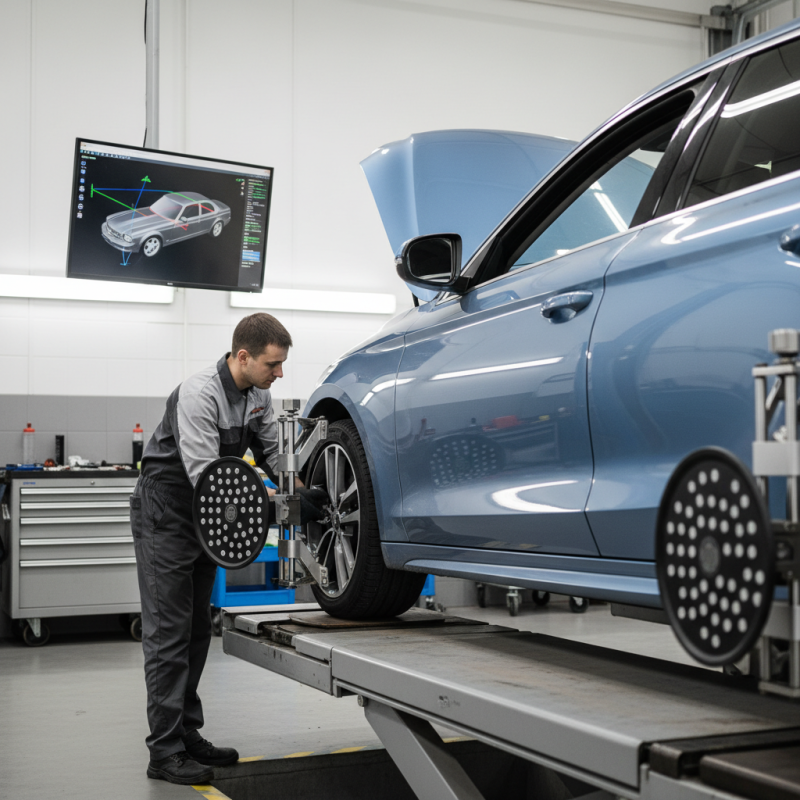
What is 3D Wheel Alignment and Why is it Important?
3d Wheel Alignment is a crucial aspect of vehicle maintenance. This process ensures that the wheels of a car are aligned properly, enhancing both safety and performance. Proper alignment improves tire longevity and fuel efficiency.
When wheels are misaligned, it can lead to uneven tire wear and poor handling. Drivers often overlook these signs until it becomes a serious issue. Many don’t realize how much misalignment can affect their driving experience until it's too late. Regular 3D wheel alignment can prevent many of these problems and keep your vehicle in optimal condition.
In today's fast-paced world, vehicle care is often neglected. People rush for a quick fix rather than a thorough check-up. As a result, issues like misalignment go unnoticed. Investing time in regular 3D wheel alignment can save money and keep you safe on the road. It's more than just a maintenance task; it's a commitment to responsible driving.
Definition of 3D Wheel Alignment and Its Mechanism
3D wheel alignment is a cutting-edge technique used in automotive maintenance. This process involves precisely adjusting the angles of the wheels relative to each other and the vehicle's body. The aim is to optimize vehicle performance, safety, and tire longevity.
The mechanism behind 3D wheel alignment relies on advanced imaging technology. Multiple cameras capture the position of each wheel. This data is then analyzed to determine misalignments. Common issues include incorrect camber, caster, and toe angles. Misalignment often leads to uneven tire wear and poor handling.
However, it is easy to overlook the need for regular alignment checks. Many drivers may ignore warning signs, such as pulling to one side. This neglect can have consequences. Tires wear out faster, fuel efficiency decreases, and safety is compromised. Regular 3D wheel alignment can prevent these issues.
Importance of 3D Wheel Alignment
The following chart illustrates the key benefits of 3D wheel alignment in terms of performance, tire life, and fuel efficiency. Each category is represented as a percentage of improvement based on a standard baseline.
Key Components Involved in 3D Wheel Alignment
3D wheel alignment is crucial for vehicle performance. It involves precise measurements of the angles at which wheels are set. Key components play a critical role in this process. These include the alignment machine, sensors, and the software that analyzes results.
Modern alignment systems use advanced cameras and lasers for accuracy. According to a report by the Automotive Service Association, proper alignment can improve tire lifespan by up to 30%. Additionally, it enhances fuel efficiency, which is increasingly vital. Poor alignment can lead to uneven tire wear and safety issues.
Sensors track wheel angles with high precision. They detect camber, caster, and toe angles. The software then interprets these measurements. Sometimes, results can be impacted by human error in setup. Proper training for technicians is essential. Misalignment can be hard to detect without effective tools and knowledge. Regular checks could prevent potential issues later.
Benefits of 3D Wheel Alignment for Vehicle Maintenance
3D wheel alignment is a crucial aspect of vehicle maintenance. Accurate alignment enhances tire lifespan. A well-aligned vehicle can prolong tire life by 25% on average, according to industry studies. Misalignment can cause uneven tire wear. Over time, this leads to safety issues and higher replacement costs.
Another benefit of 3D wheel alignment is improved fuel efficiency. According to recent data, improperly aligned wheels can reduce fuel economy by up to 10%. This results in spending more at the pump. A vehicle that handles poorly can be difficult to drive. This adds stress and can lead to accidents. Regular alignment checks can prevent these problems.
While the advantages are clear, many drivers overlook this maintenance. They may not notice the gradual decline in vehicle performance. Hidden issues can escalate, making repairs more expensive. Regularly checking wheel alignment helps avoid larger problems down the road. It’s a small investment for peace of mind and safety.
Common Signs That Indicate the Need for 3D Wheel Alignment
When it comes to your car, alignment matters. You might notice uneven tire wear. This is a clear sign. If one side wears quicker, it’s time to check alignment. Poor alignment can lead to handling issues. Steering may feel off-center. This is another indication of misalignment.
Listen for unusual noises while driving. Scraping or rumbling sounds can signal alignment problems. You could also feel vibrations in the steering wheel. These sensations can be distracting and dangerous. If your car doesn’t go straight, that’s a red flag.
Keep an eye on tire pressure too. Low pressure can mimic alignment issues. Regulatory checks might help. But it’s not a substitute for alignment. Regular inspection can save money on tire replacements. Ignoring signs can lead to bigger problems. Pay attention to these warning signals. It’s better to address them early.
Comparison of 3D Wheel Alignment and Traditional Alignment Methods
3D wheel alignment is a modern technique that uses advanced technology to measure wheel angles accurately. It differs significantly from traditional alignment methods, often relying on manual measurements and basic tools. With 3D alignment, laser or camera-based systems create a precise visual model of each wheel's position. This level of detail allows for adjustments that can greatly enhance vehicle performance.
In contrast, traditional methods may involve guesswork and limited data. Mechanics often rely on experience rather than clear visual feedback. This can lead to misalignments and uneven tire wear. While some may prefer the familiar feel of manual setups, they might overlook the benefits of precision offered by 3D systems. Observations show that many drivers cannot detect subtle misalignments until they notice handling issues.
Though the newer technology provides clarity, not all service centers may have access to it. Some technicians might still be adjusting to this innovative approach. It raises questions about the balance between tradition and technology in automotive care. Investing in 3D wheel alignment could save time and money in the long run, despite initial costs. Many drivers are unaware of the advantages they might gain from making this shift.